Europe has finally taken a step forward in crop technology. As it begins to accept the sound science of modern agriculture, it may allow struggling farmers like me to grow the food that my country and our continent needs.
Late last year, the European Union reached an agreement on how to regulate gene-edited plants. Rather than rejecting New Genomic Techniques (NGTs), as some activist groups had demanded, negotiators developed a system that will treat some plants as conventional crops while others will require special labels when sold as food.
They say that politics is the art of compromise and the NGT agreement looks like a great compromise. It marks the first time in more than two decades that Europe has allowed a new use of molecular biology in plant genetics.

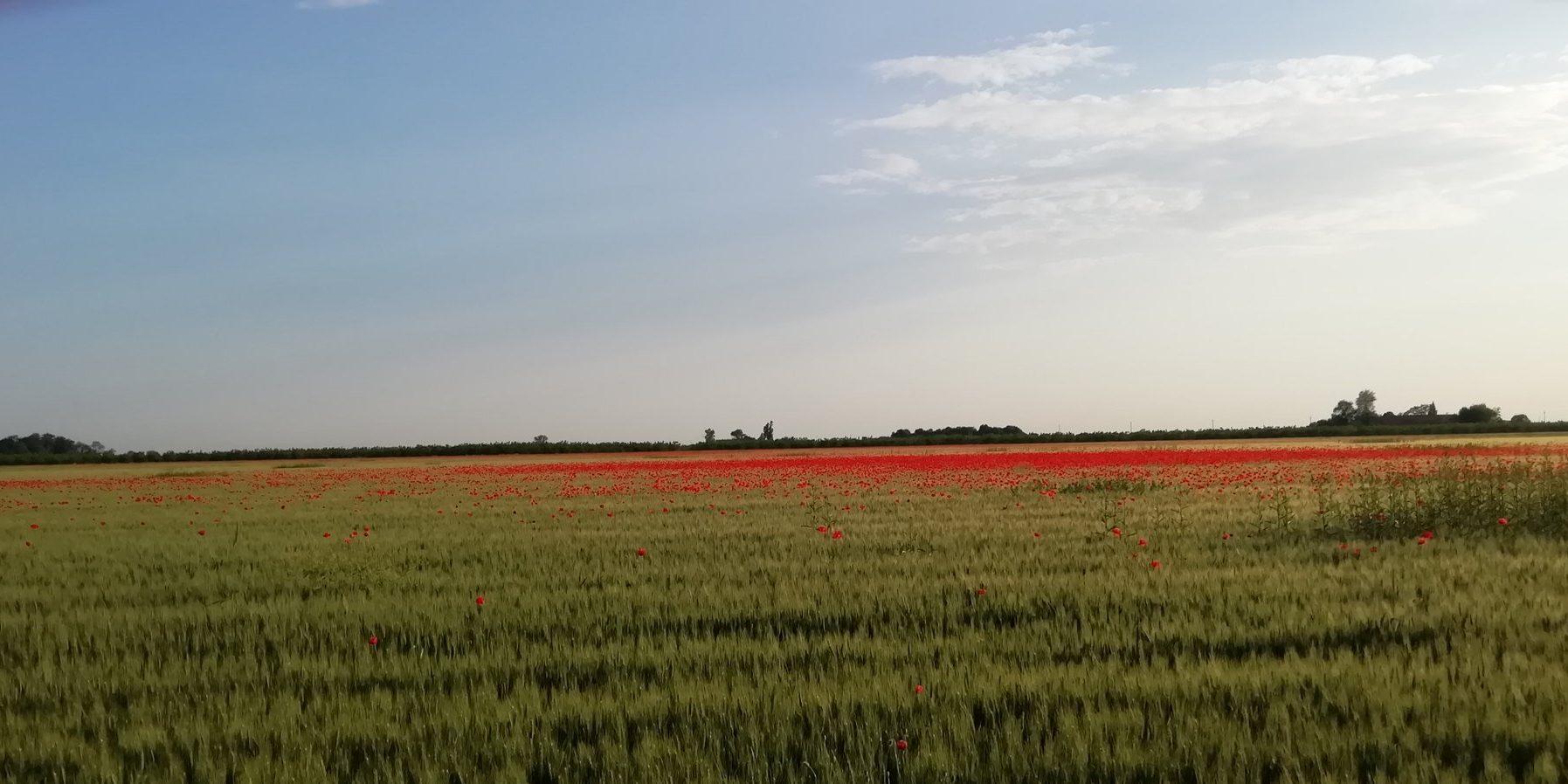
As an Italian farmer who grows a rotation of maize, soybeans, wheat, and barley, I’m pleased by the news. For years, my fellow farmers and I have watched much of the rest of the world pass us by. They’ve embraced new technologies, including NGTs and their incredible promise, as European politicians and regulators have dawdled.
Now the EU has finally begun to act—and farmers can start to catch up, using sound science to grow more food on less land in a sustainable way.
European farmers need this boost. It’s getting harder for us to make ends meet.
Worst of all, our governments have prevented us from planting GMOs, which are openly accepted around the world. Farmers in North and South America and in other regions have watched their yields soar because they can grow safe crops that have a special ability to fight weeds, pests, and disease.
Here in Italy, however, I’m totally banned from planting GMOs. Last year, an outbreak of black cutworm ravaged my maize. These voracious pests damaged 50 hectares. I had to replant 25 hectares.

Farmers on the other side of the ocean don’t have to worry about such problems. They can grow crops that carry a genetic resistance to the black cutworm. Their governments have embraced sound science, empowering farmers to grow more food with fewer resources.
In Europe, however, GMOs are a taboo. We don’t even talk about them—not even the scientists who know they are safe. We’ve pushed them so far out of our conversations and even our minds that when the black cutworm was spoiling my fields, I had forgotten that GMOs already offer a solution.
The EU’s hostility to GMOs is simply incoherent. We import GMO crops all the time. We can feed our animals with them. We can even use them to produce the delicious food for which my country is so famous.
But I can’t grow them. It makes no sense.
So while I was hoping for good news on NGTs, I was ready for more disappointment.
To my delight, the EU’s rules on gene editing mark an important reversal. Instead of an unthinking rejection of something new, they open the door to progress. The rules impose more limits than I would like, but that’s the nature of compromise.
This is progress that holds the promise to help farmers.
We can’t take it for granted—nor can we assume the fight is over. The enemies of modern agriculture are determined. They will try to claw back what they think they’ve lost.
I remain optimistic. As a farmer, I believe we should focus more on the characteristics of a plant instead of the techniques applied. One day, I hope we will be able to evaluate a plant for taste, and nutritiousness, the safety they have and the lower amount of water and energy they require to grow.
We must use our voices as farmers to celebrate this breakthrough. We must speak up and let consumers know that gene-edited crops are safe. We must insist that our leaders make good on their new commitment. And we must push forward into a farming future that helps us all.