The European Parliament has decided to give technology a chance—and that’s good news for farmers like me, as we struggle to grow food in a time of climate change.
Members voted last month to embrace the new science of plant breeding. They approved a measure that means many crops produced through New Genomic Techniques (NGTs) could be treated under the law similar to conventional plants.
This is a vote in favor of sound science—and possibly a major break from the mistakes of the past when Europeans treated crop innovation with skepticism and even fear.
The decision holds the potential to help me grow more food and better food. Yet it’s only a first step. Political leaders, regulators, and the broader public must continue to make sensible choices about NGTs.
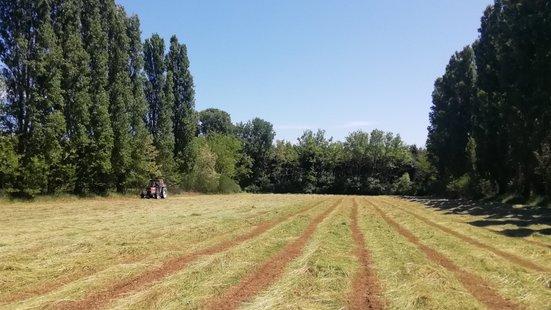
On my farm near Venice, I grow a variety of crops: corn, soybeans, wheat, and more. Just now, as we prepare for the spring, we’re pruning our walnuts and wine grapes and preparing our seed beds for sugar beets.
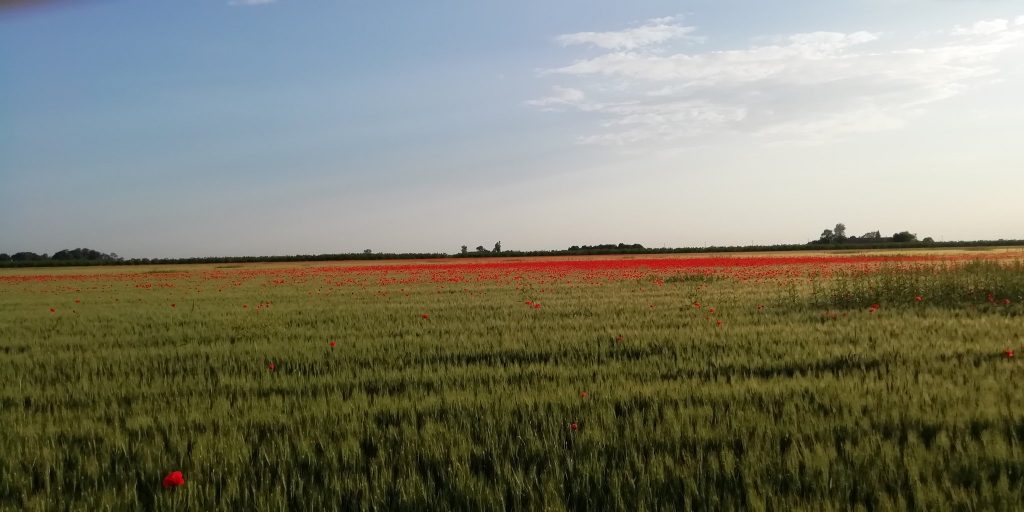
We strive for efficiency and sustainability, especially as we adapt to a changing and unpredictable climate. Our goal every year is to grow as much as possible, so that we can make a living as farmers and consumers can enjoy safe, genuine, affordable, and abundant food.
Yet rules and regulations have limited our access to the best technologies. When Europe restricted GMOs a generation ago, it removed our ability to plant crops that would help us boost our yields even as they reduced our reliance on inputs such as herbicides and pesticides. We fell behind our fellow farmers in North and South America and elsewhere.
Our corn harvests, for example, have declined. For at least two decades, we’ve grown 10 to 30 percent less food each year than the latest crop technologies otherwise would have allowed. To make matters worse, the quality of our food has suffered because our crops are less able to fight disease. We’re getting lower prices for what we do produce.
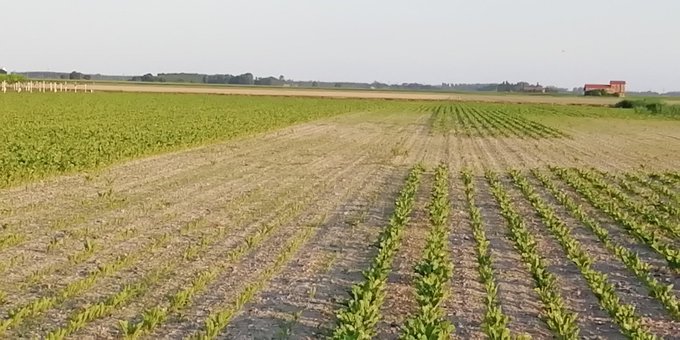
It’s impossible to calculate the losses with precision, but Italian consumers have spent billions of Euros more for their food than was necessary. Italy used to be self-sufficient for corn, but last year we imported 7 million tons of it.
This is not just an Italian problem, of course. The refusal to accept safe technologies has hurt consumers and farmers across Europe.
Farmers in France, Germany, and the Netherlands recently have engaged in massive protests, as they block roads and drive tractors into city centers. Most of the news coverage has focused on their concerns about taxes and regulations, but it has missed the larger story: This is ultimately about poor competitiveness, with its roots in the EU’s rejection of modern, science-based agricultural technology.
The European Parliament now has offered us a lifeline. Its vote last month accepted the recommendation of scientists and regulators and the Commission’s approval, making a little but significant step to exit the almost total eclipse of modern genetic tools in the EU farm sector.
The potential acceptance of NGTs means that in the near future on my farm, I’ll have a better chance to grow crops that can withstand the stress of climate change, such as droughts, floods, and storms, as well as pressure from disease, weeds, and pests.
I’ll grow more food and better food, using some of the best science and technology in the world.
That’s my hope, but nothing is assured. Last month’s vote is only a single step in a long march. The Commission proposal now needs to be adopted by the Council of the member states that did not yet reach an agreement. The details of the final law will continue to be discussed—and NGTs have lots of enemies, including ideological groups such as Greenpeace. Their propaganda once turned Europe against GMOs, to the detriment of everyone. The good news today is that scientists have decided not to stay silent and have started campaigning in favor of NGT plants.
Too much of this debate in fact has focused on techniques used and how NGTs are made, rather than on how they will create crops with better characteristics. I think farmers would be in better shape, the environment would be in better shape, consumers would be in better shape, and the research programs that have been shut down because of the impossibility of doing necessary field trials and commercialization of the final product outcomes would be in better shape.
We don’t have unlimited time to improve production in a world with a growing population and facing climate change.
Farmers must speak up: The time has come to give technology a chance.