Kenyan farmers like me are losing money every day and food security for all is challenged because we have not been allowed to plant biotech crops. Recent studies and legal decisions indicate that delays and uncertainty surrounding the adoption of genetically modified (GM) crops are impacting farmer income and food security. While the government has expressed support for the technology, ongoing litigation and public opposition have created bottlenecks.
According to the report from the Breakthrough Institute, and several other groups, including the African Agricultural Technology Foundation, all these have resulted in the total cost to the nation in excess of Ksh.20 billion— close to $157 million USD—over the last three years.
“This staggering loss has denied the country vital opportunities to boost food security, farmer incomes, and environmental health, and is exacerbated by persistent misinformation campaigns that hinder science-based progress,” says the Kenya News Agency.

It’s all because farmers are denied access to two biotech crops that the Government of Kenya already has approved: an insect-resistant maize, and a disease-resistant potato. Only one GM crop has been available for planting by Kenyan farmers since 2019 – Bt Cotton.
We can’t get the seeds because activist groups that despise modern agriculture have sued to block their distribution. Everything is tangled up in the courts.
Kenyan farmers suffer because we could be growing more and earning more. Kenyan consumers suffer because the country’s food prices are higher than they should be. The Kenyan environment suffers because we’re using pesticides that biotechnology has rendered obsolete.
It doesn’t have to be this way.
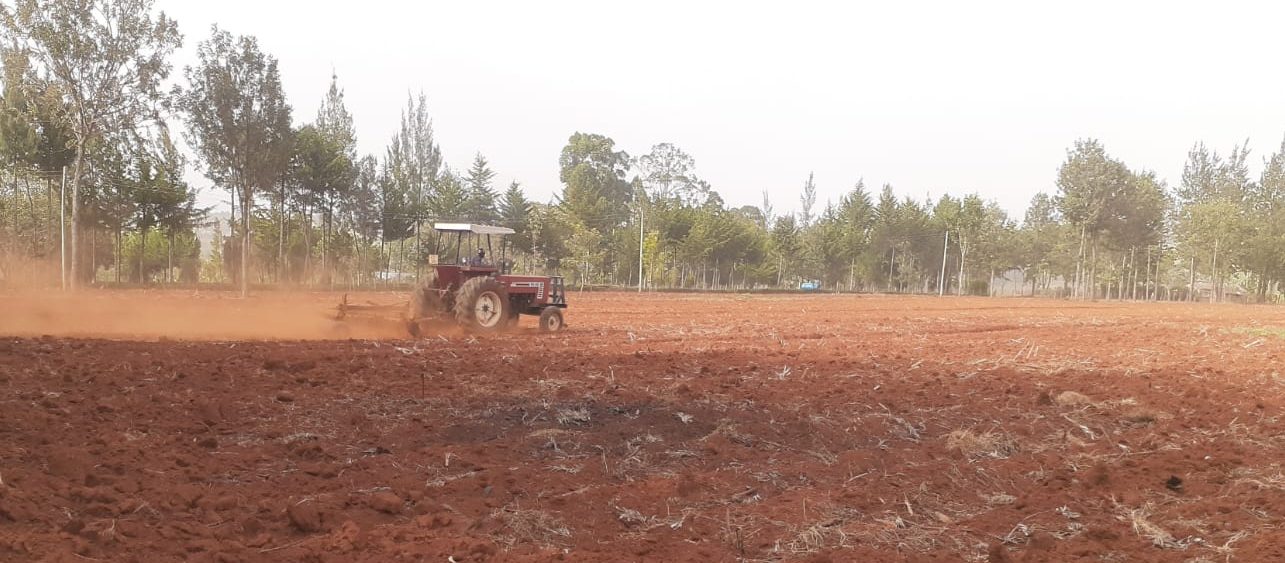
Three years ago, the Kenyan government lifted its longtime ban on the importation and cultivation of GM crops, in a move that promised to let Kenyan farmers enjoy the technologies that farmers in the United States, Brazil, Argentina, and elsewhere take for granted. The idea was to bring Kenyan agriculture into the 21st century.
“This is the kind of change we need,” I wrote in a column, shortly after the announcement. “It’s time for Kenya to catch up—and now we will.”
Except that we haven’t—and now it’s starting to seem like we won’t.
In fact, it feels like the old ban is back in place. Or, perhaps more accurately, it feels like the ban never was lifted. Nothing has changed. Kenyan agriculture remains locked in its primitive and inefficient ways, while much of the rest of the world pushes forward with bigger yields and increased food security. Yet the country boasts some of the best agricultural researchers in the world, who have done their bit!
Our president, William Samoei Ruto, remains an advocate of biotech crops. Several months ago, his government reiterated its commitment to improve food production through biotechnology. A regulatory framework for the commercialization of GM crops remains in place.
Yet the lawsuits have halted Kenya’s progress.
“The government’s commitment to facilitate the adoption of new technologies and innovations to transform low agricultural productivity in the country is being derailed by unending litigation,” complained Mutahi Kagwe, the Cabinet Secretary for Agriculture and Livestock Development.
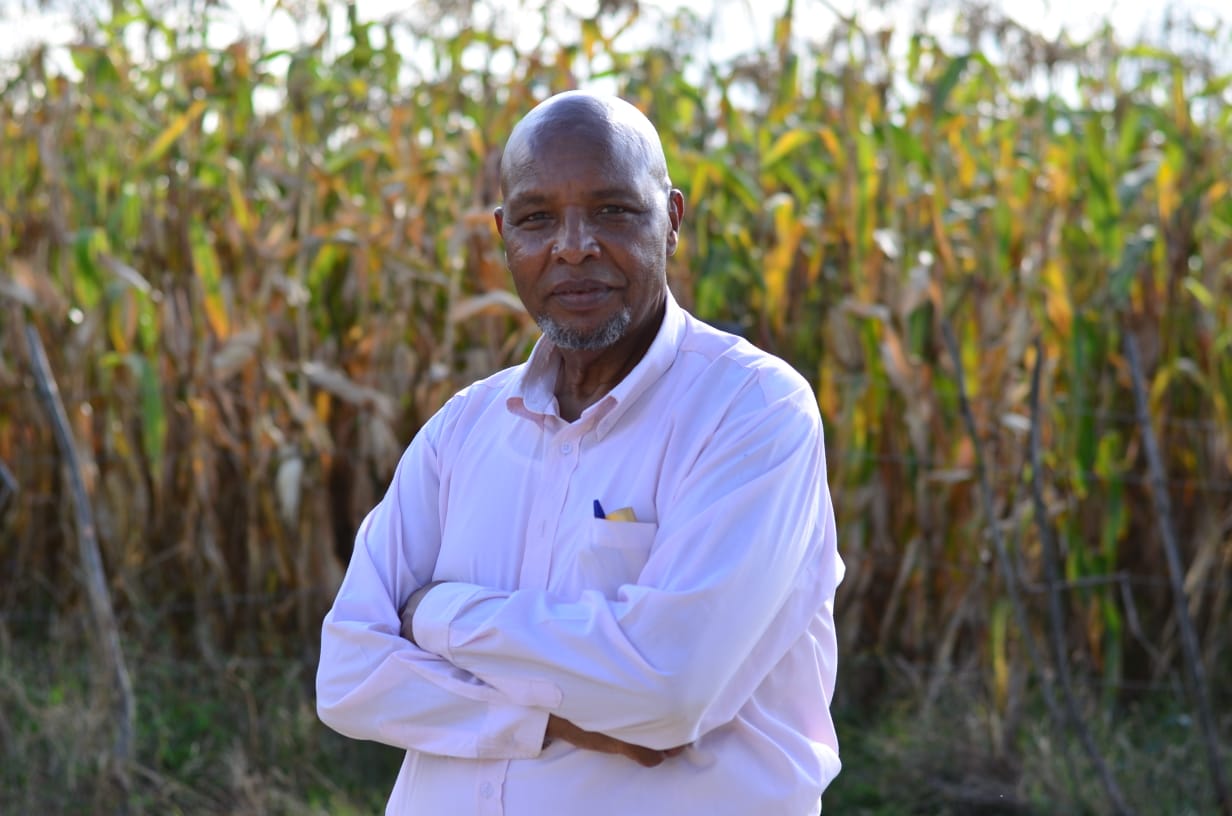
I’d love to plant biotech crops. My family has farmed 25 acres for the last four decades. We always grow maize (corn), and this year we planted 10 acres. Most of it will become feed for our dairy herd, but two acres will turn into ugali, a cornmeal that is the staple food of my country.
Access to biotech crops would make us more resilient farmers. We’d grow more food at a lower cost, boosting our profits and saving consumers money. In a fully flourishing system of modern agriculture, we would enjoy improved ways to defend our crops against insects, weeds, disease, drought, and more.
The longer the Kenyan courts allow litigations to stand in the way of Kenyans to access these excellent crops, the higher the losses will climb. We’ll continue to throw away the economic opportunity to generate hundreds of millions of shillings through honest work and innovation, all due to organizations motivated by an anti-scientific ideology. Their members don’t know much about growing food, but they know a lot about how to manipulate Kenyans’ minds, and the courts to serve a backward agenda.
To overcome this challenge, the government must focus on transparent public engagement that builds trust and continue to offer evidence that GM crops are safe.
It also will take farmers like me. We can’t fight in the court of law, but we can make our voices heard in the court of public opinion.
We must speak out and let our fellow Kenyans know that the sooner Kenyan farmers can access these amazing crops, the better off every one of us will be. We all pay a price for delay.