Two for the price of one.
That’s the basic idea behind my new farming trial.
As a farmer in Iowa, I’m always trying to do more with less. The great limiting factor for farmers in our region, of course, is the length of growing season, which starts with planting in the spring, runs through the summer, and finishes with harvest in the fall.
Our overriding goal is to produce a single healthy crop that fetches a good price.
But what if we could produce two?
That’s what I’m trying to achieve this year, by planting and harvesting two crops on the same fields. First, we grew rye, which was harvested in July, and now we’re growing soybeans, which we expect to harvest in November.
I’m hardly the originator of this approach. Other farmers have tried it, and I’ve also tested it over the years. The difference now is that I’m double cropping on about 100 acres. In previous trials, I’ve limited myself to less than 20 acres. This year marks a big step forward.
My goal is to diversify.
Corn and soybean production dominate farming in my area. They are excellent and essential crops that grow well in the American Midwest, well suited to the soil, climate and growing season. They also have significant market opportunities, here in the United States and abroad as exports that drive much of our heartland economy. They are the major crops on my own farm.
Yet I’m always eager to adapt, innovate, and try new things. When you grow corn and soybeans for a living, you can feel like a price taker, accepting whatever prices the commodity markets dictate. My double-cropping experiment is an effort to become a price maker—an entrepreneurial attempt to discover a new way to flourish as a farmer.
In any business—and farming is a business—diversification involves the development of new products and expansion into new markets for the purpose of creating sources of revenue and reducing risk.
When done well, it makes us more resilient.
That’s why I’m seeking to get two harvests from the same land.
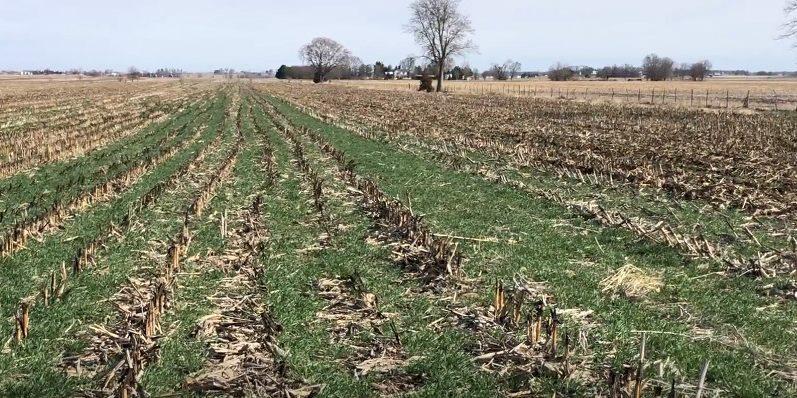
My present effort started last fall, after harvest. We planted rye as a cover crop. It’s a hardy grain that tolerates cold weather.
The main purpose of most cover crops is to protect and enhance the soil. They fight erosion, preserve moisture, and allow microbes and nutrients to thrive. By improving soil health, they prepare the ground for the crops we plant in the spring and whose growth and harvesting is at the center of our operation.
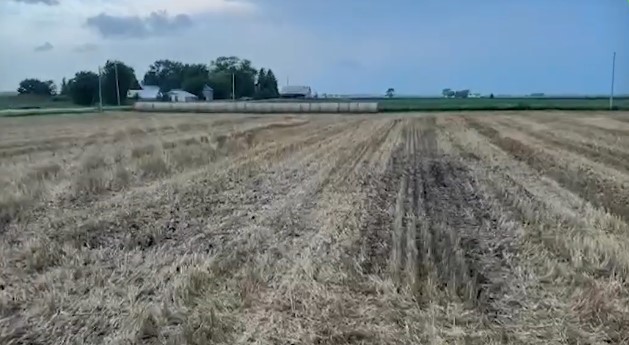
On 100 acres of rye, however, we didn’t plant anything on top this spring. Instead, we let the rye continue to grow into July, when we harvested the seeds and the biomass of stover. We sold some of the seeds, but we’re keeping many of them for future planting on our own farm. The stover enjoys several markets: Its uses include everything from livestock feed to bedding for cattle in barns to erosion control along highways.
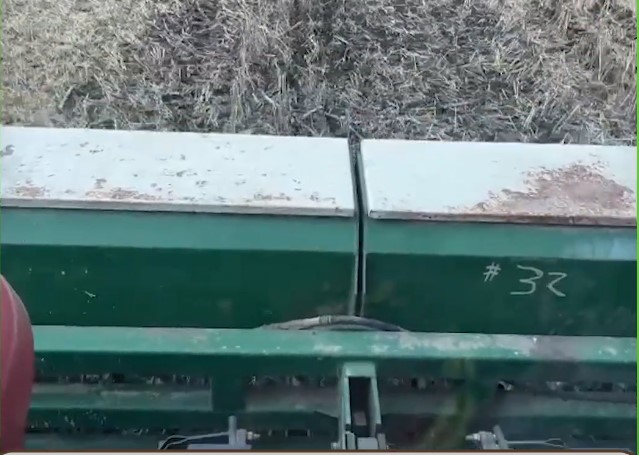
Immediately following this harvest of rye, we planted our soybeans, drilling the seeds into the soil in a no-till method that preserves the work of the cover crops.
If you’re planting soybeans in Iowa in July, it usually means that something went wrong: the soybeans you had planted did not emerge or perhaps emerged and were damaged due to extreme weather would be the likely reasons. Some years, depending on the weather, we can plant soybeans as early as April. We always do a lot of planting in May. Waiting until July, for whatever reason, means soybeans have lost about two months of the growing season.
It’s like starting a marathon an hour late. You may race well, but you’ll never catch the frontrunners.
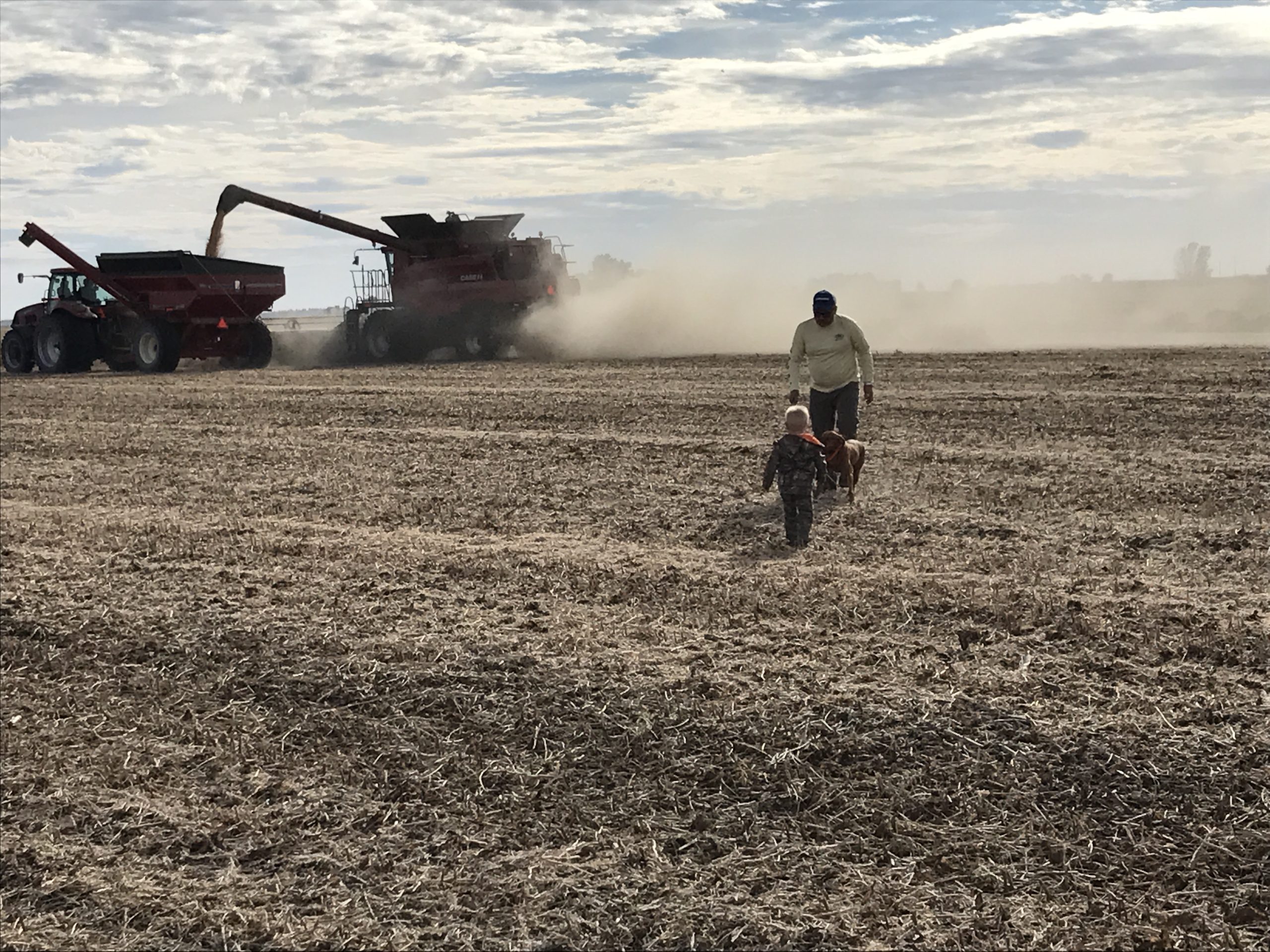
Now our soybeans are sprinting—and when harvest comes this fall, we’re going to take a pretty big hit on their yield. They’ll probably produce half as much as what we’ll harvest from the soybean fields we planted in the spring.
But that’s acceptable because we’ve double cropped. When we combine the reduced value of the soybeans with the full value of the rye, we hope to see an overall profit. And if our short-season soybeans fail entirely, the crop insurance we carry to manage risk will protect us from suffering catastrophic losses.
I’m eager to learn the results. In 2025, we can expand our rye-and-soybean acreage, keep it on about 100 acres, or reduce it.
We’ll make that decision in a few months, as we continue to think about new ways to build resilience in our farming business.