Nobody drinks or eats the soil—but the quality of every glass of milk begins with the health of the soil, including the efficiencies that farmers can put into it and draw out of it.
As we approach World Milk Day on June 1, we should celebrate a nutritious beverage. At the same time, this is an opportunity to recognize the farmers who make its enjoyment possible and everything that goes into what they do.
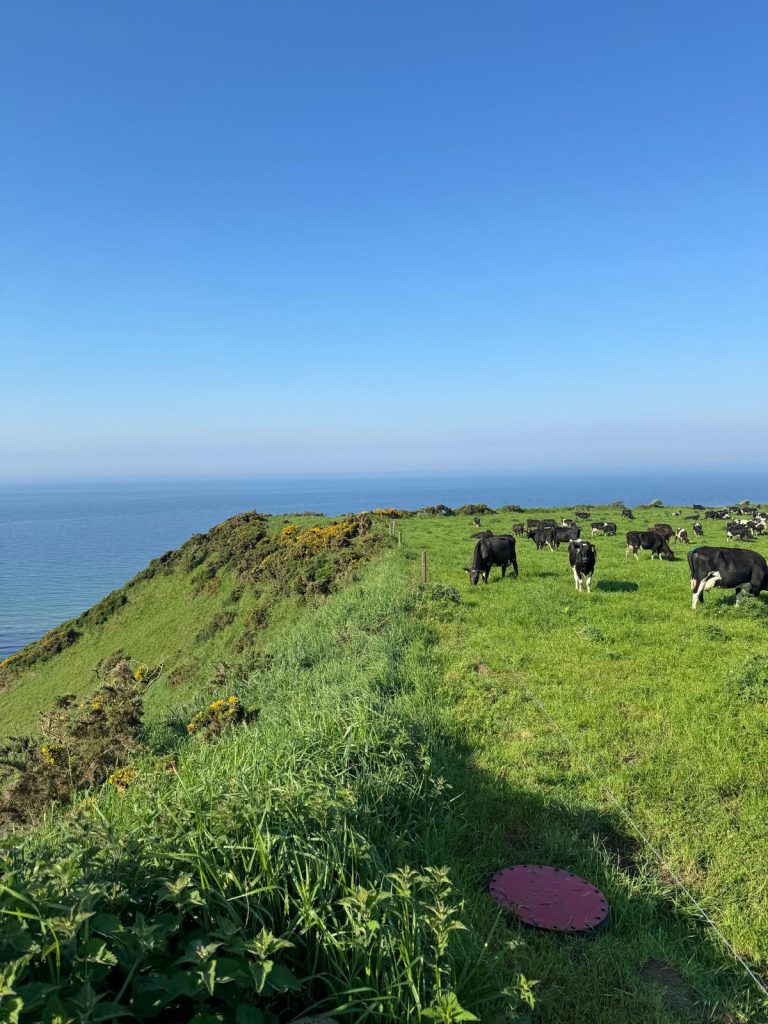
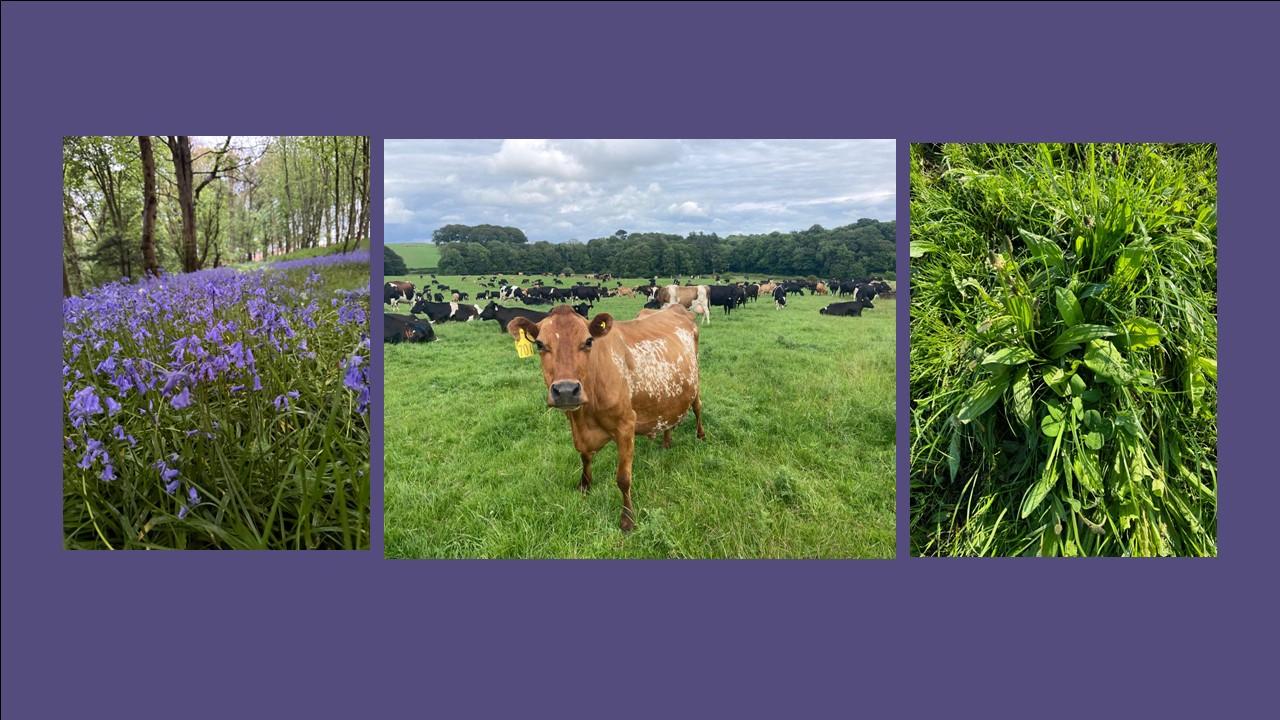
When people think about dairy farmers, they tend to think about the milking of cows. That makes sense. On my farm in Scotland, we manage a herd of more than 1,100 milking cows. These animals and milk they produce are at the heart of our business.
Yet successful dairy farming requires more than cows. It starts with the soil and its blend of minerals, moisture, and microorganisms. We invest a significant amount of time and energy on keeping it optimal. This has been true for as long as we’ve farmed, but we’re always updating our knowledge and techniques and adapting to circumstances.
Soil in optimum health supports healthier crops, which means heathier cows producing nutritious milk.
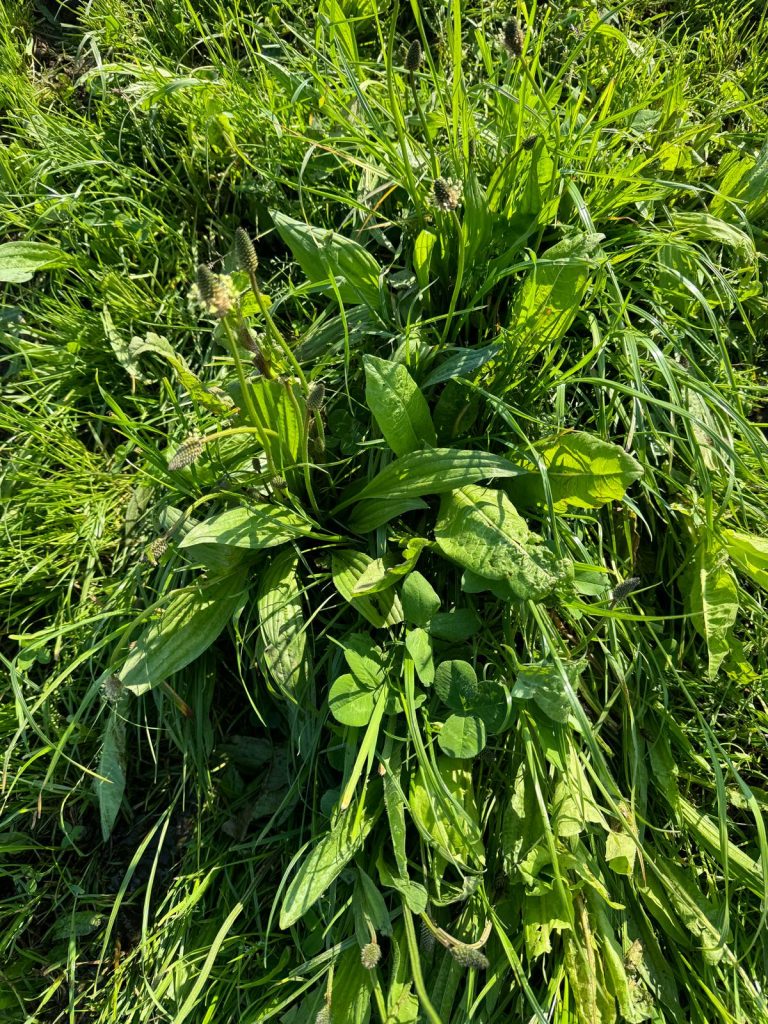
Here’s an example. To make sure our cows have good forage for grazing, we used to plough 300 acres per year. Then we discovered new technologies that have allowed us to eliminate our ploughing almost entirely. Instead of ripping up the ground when we put seeds in the soil, we now use a method of direct drilling for our grass and cereals. This keeps disruption at a minimum—and boosts the soil’s health.
We have always worked hard to manage the soil’s acidity, which we measure in units of pH, from zero to 14. The lower the number, the higher the acidity. Two decades ago, we aimed for a pH of 5.2 to 6.0. Today, with our direct drilling, reduced artificial fertilizer use and variable-rate lime spreading, we try to achieve 6.7 pH, which is almost exactly in the middle of the scale—and a level that allows us to cut back on inputs even as we grow the same amount of grass or more.
That’s the first benefit. There are plenty of others.
When heavy equipment moves across fields, it compacts the soil structures that allow roots to thrive. Because we’ve limited our tillage, we now drive our tractors less and thereby reduce compaction. We’ve also cut back on our use of fuel. That’s an economic savings for us that also decreases our farms greenhouse gas emission.
Growing more grass means we’re doing a better job of promoting the biogenic carbon cycle, which involves taking carbon from the atmosphere, where it poses a problem, and putting it in the soil, where it contributes to the flourishing of plants. This is an important part of sustainable agriculture. With smart policies, it could even create a new gold rush for farmers.
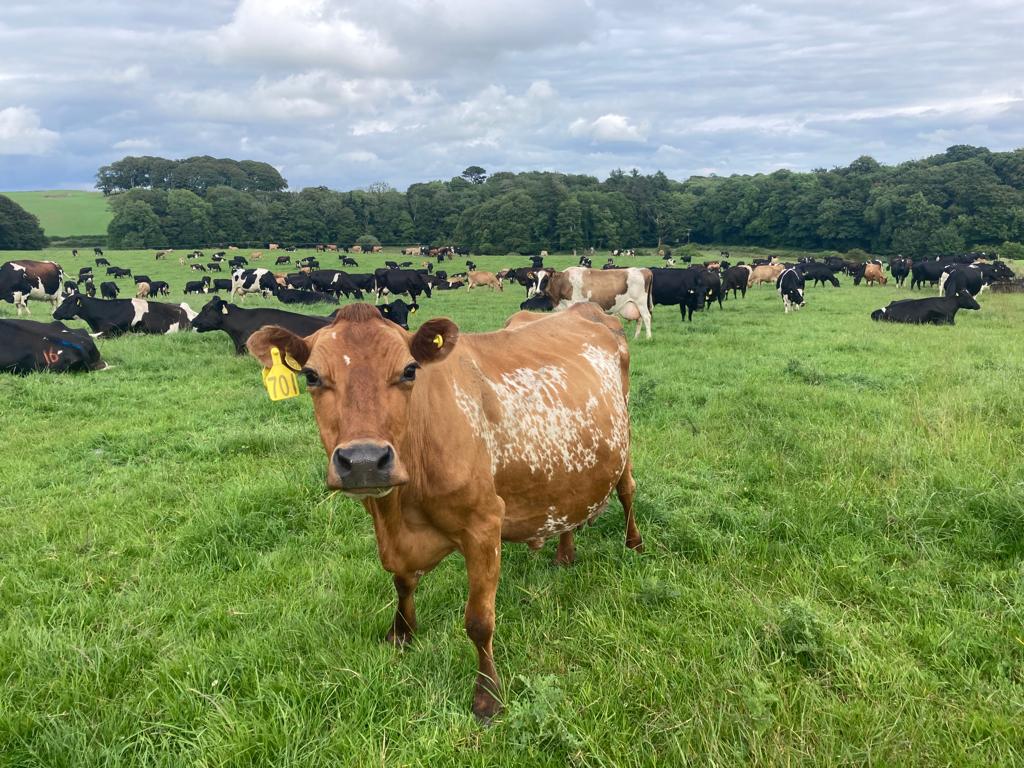
We’re also trying to breed better cows, based on traits such as milk volume and quality. We take the calves from the cows in the top 25 percent and use them to replace the cows in the bottom 25 percent as we cull the herd. We’re one of the first dairy farms to do this with crossbred milking cows and we believe it will introduce even more efficiencies into our operation.
Our farm also is committed to renewable energy. We have installed 250 kw of solar panels and our wind turbine adds another 33 kw. We don’t have a connection to the national electricity grid because right now it is economically prohibitive to buy one. Because we must use everything we produce, we continue to invest in power balancing and put considerable thought and effort into setting up systems that use our power efficiently. This investment in renewable energy has cut our electricity costs by 30 percent.
My experience as a dairy farmer has taught me that economic and environmental goals are not at odds with each other. Instead, they are often symbiotic. As our carbon footprint shrinks our profits rise because we’re becoming more efficient with our resources. We can always do better: If supply chains and consumers were to appreciate that food prices should reflect more than merely the cost of production, farmers like me would have new capital to invest in the soil, biodiversity, and renewable energy.
My hope is that drinking and eating our nature-friendly milk and cheese gives you a delicious and healthy diet—and it helps me do well by doing good.