“It’s better to have it and not need it than to need it and not have it,” says an old adage.
This cautionary wisdom applies to everything from life insurance and jumper cables to the fire extinguisher in your garage.
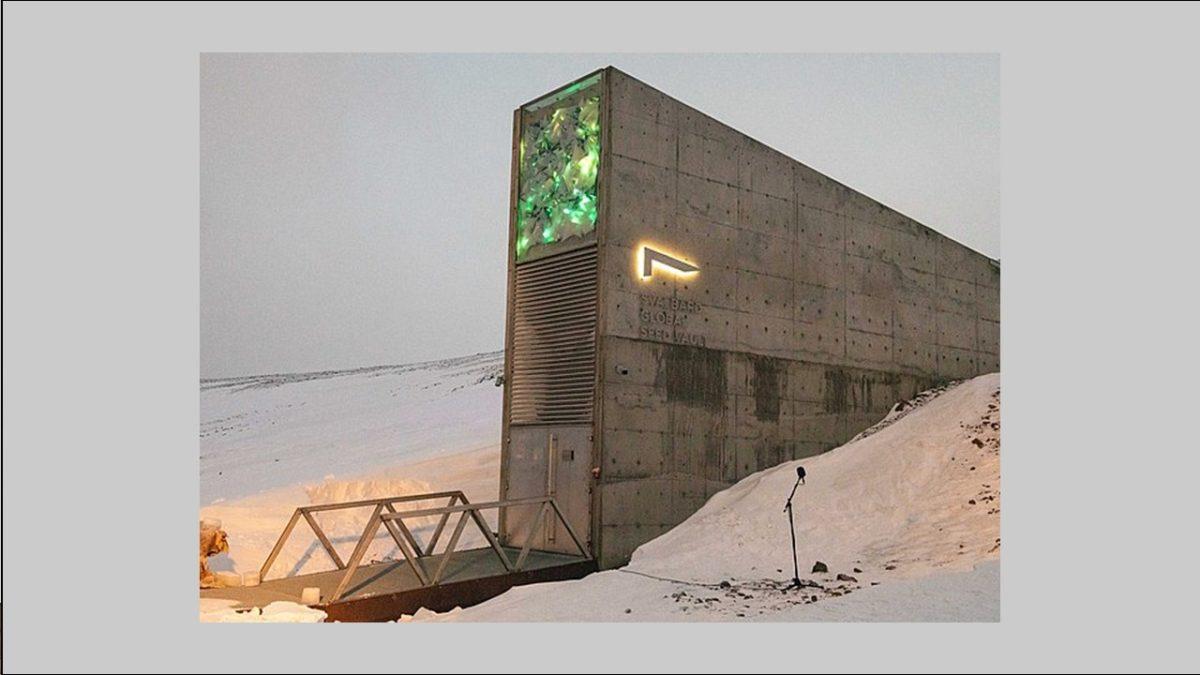
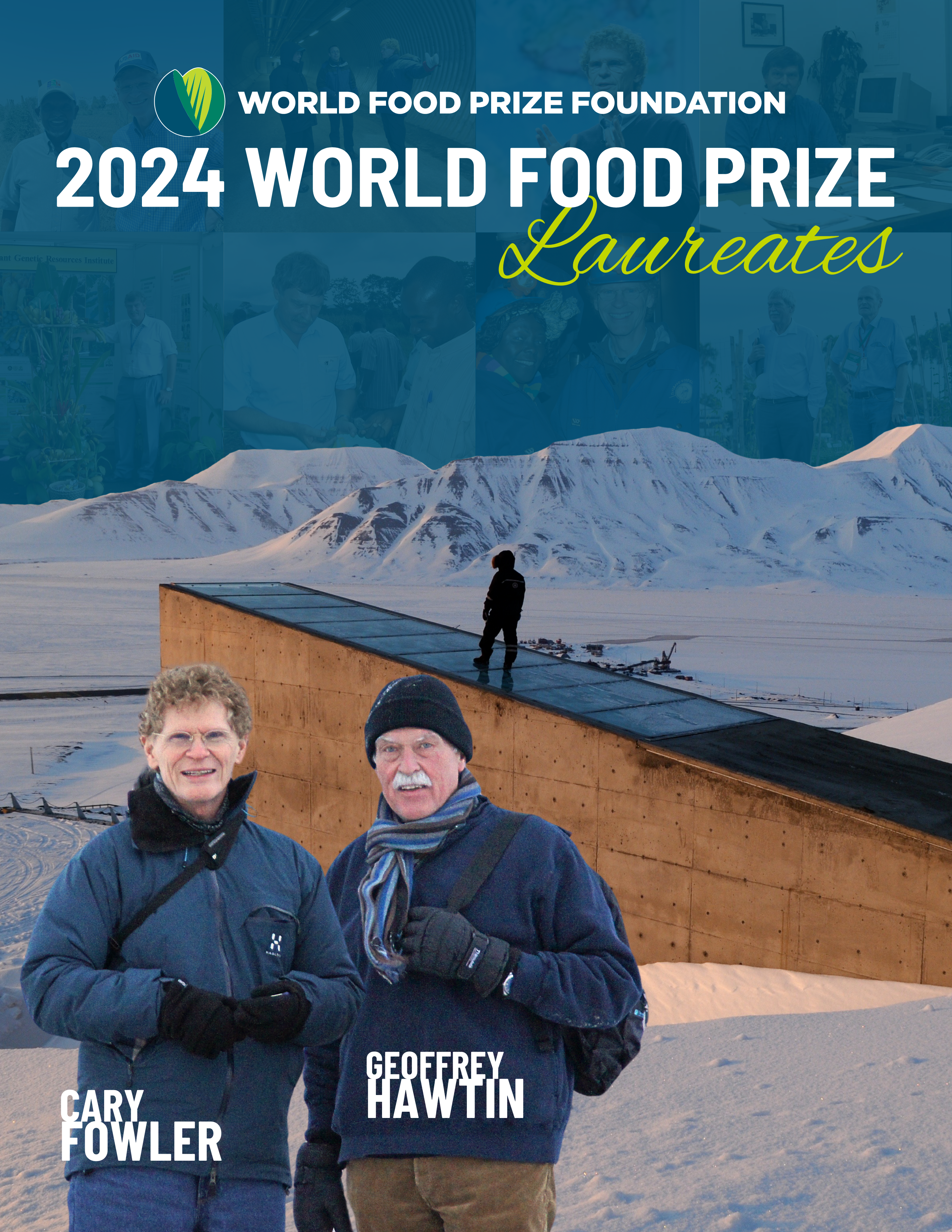
It’s also the underlying principle of the Svalbard Global Seed Vault, whose visionary founders are the recipients of this year’s World Food Prize.
As a farmer and seed company owner in Nigeria, I’m grateful for the extraordinary efforts of Cary Fowler and Geoffrey Hawtin to protect our planet’s food supply by preserving its rich diversity of crop seeds. Today, the underground bunker that they helped establish stores more than 1.25 million seeds from more than 6,000 species of plants, on a remote island above the Arctic Circle.
This massive seed bank makes our global food system more resilient.
Nicknamed the “doomsday vault,” it guards against catastrophes such as massive crop failures due to pandemics or natural disasters. If we ever need to locate a seed in a moment of crisis—or perhaps even opportunity—we know where we can find it.
“The World Food Prize is bestowed to individuals for recognition of their achievements in the fight against hunger and food insecurity—one of the most pressing issues of our time,” said U.S. Secretary of State Anthony Blinken, in announcing the award in May. Fowler and Hawtin will receive the prize formally at a ceremony during the World Food Prize festivities in Des Moines, Iowa, October 29-31.
Seeds are a daily part of our lives. We eat them as peanuts, almonds, grains, many spices, and more. We drink them—or at least we sip a drink derived from them—with our morning coffee, made from beans that are in fact seeds. We also avoid them, tossing aside the pits of peaches, cherries and watermelons.
Yet we often overlook the profound importance of seeds. They seem so simple, but they possess incredible complexity, holding a wealth of genetic information that is essential for agriculture. Each seed is unique, carrying traits that determine an individual plant’s characteristics such as nutritional content, yield potential, climate adaptations, and resistance to weeds, pests, and disease.
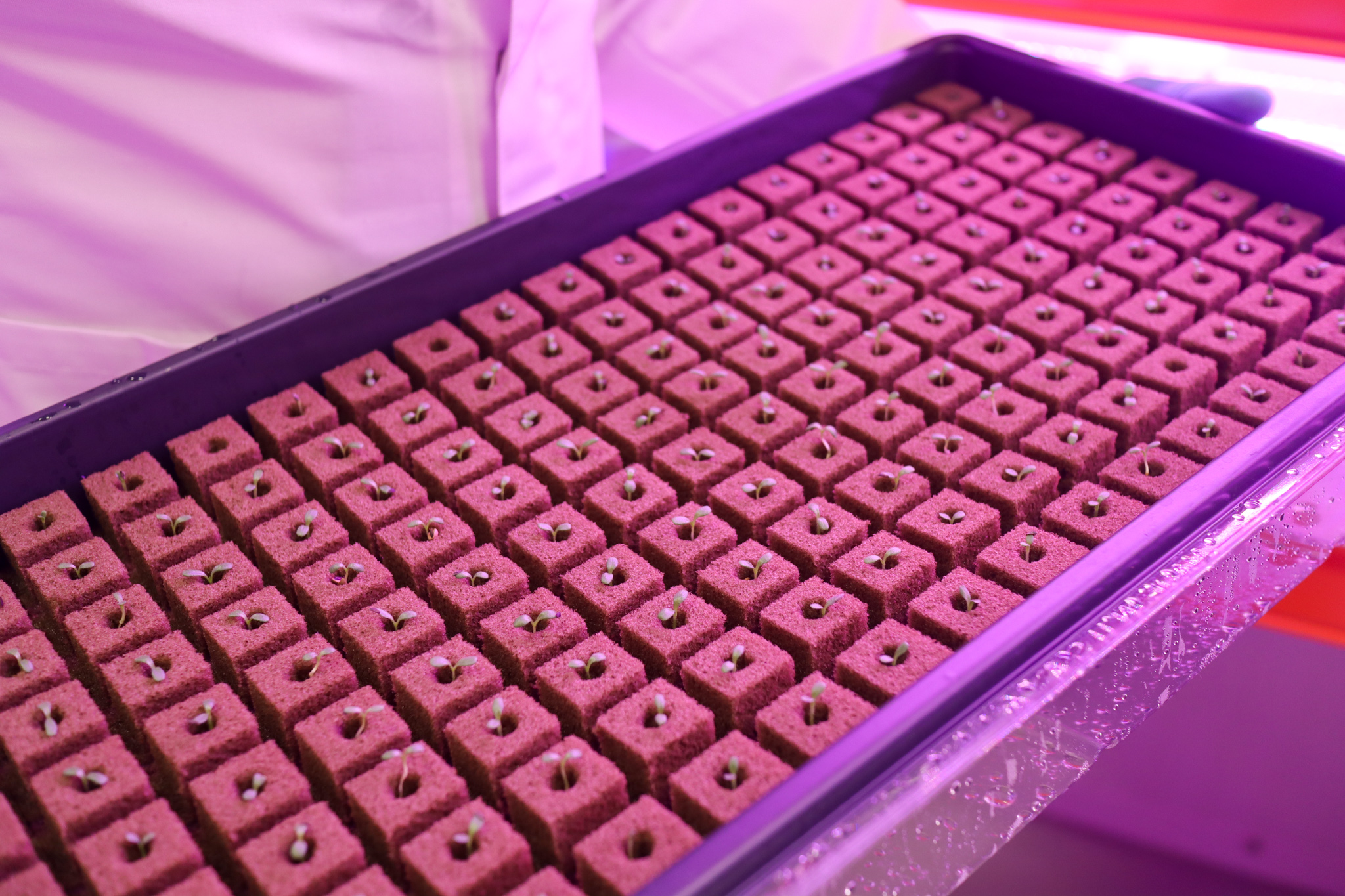
Then there’s the obvious part: Nothing grows without them.
For the crops that feed us each day, we need seeds.
The innovation and technology behind seeds are amazing. The story starts in prehistory, with the earliest farmers. They took plants from the wild and bred them into crops for cultivation, relying on seeds to transmit the genetics that allowed, for example, little red berries to transform into tomatoes.
As scientists learned more about genetics and their practical applications, seeds gave birth in the 20th century to the boom in agricultural productivity known as the Green Revolution, whose central figure, Norman Borlaug, initiated the World Food Prize. Today, as we continue to unlock the secrets of biotechnology, the tools of genetic modification and gene editing are giving rise to the most resilient and nutritious crops the world has ever known.
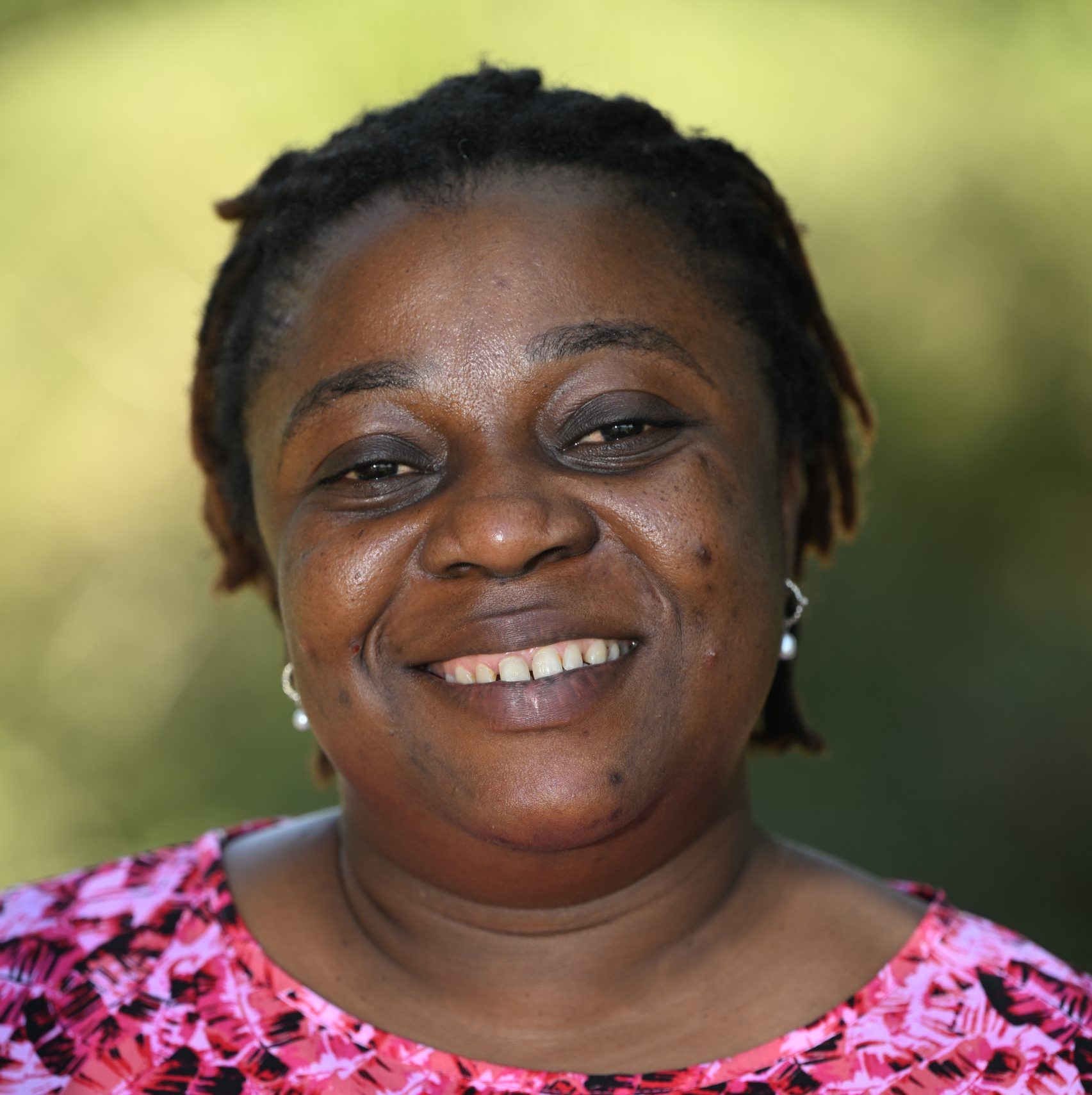
My business, Tecni Seeds Limited, is one result of this work. We’re involved in every aspect of premium arable and vegetable seeds, from production and processing to distribution, sales, services, and importation. We work with about 10,000 farmers, including 3,000 women, who are a special interest because Tecni Seeds is the first woman-owned seed company in Nigeria.
If African agriculture is ever to achieve its full potential, it will mean helping women achieve their full potential as farmers.
All farmers—both men and women—must enjoy access to the most advanced seed technologies. That will be especially true as we continue to improve our seeds, developing varieties that push food production even further. The next generation of seeds must grow into crops that withstand climate change, resist pests and disease, enhance nutrition, and conserve resources such as water and fertilizer, not forgetting our indigenous and orphan crops.
As I go about my daily work with seeds, I’m glad to know that we have the ultimate backup system built by Fowler and Hawtin—and that in a time of trouble, we can turn to the Svalbard Global Seed Vault, which is much better to have and not need than to need and not have.
Featured Image Credit: Cierra martin for Crop Trust