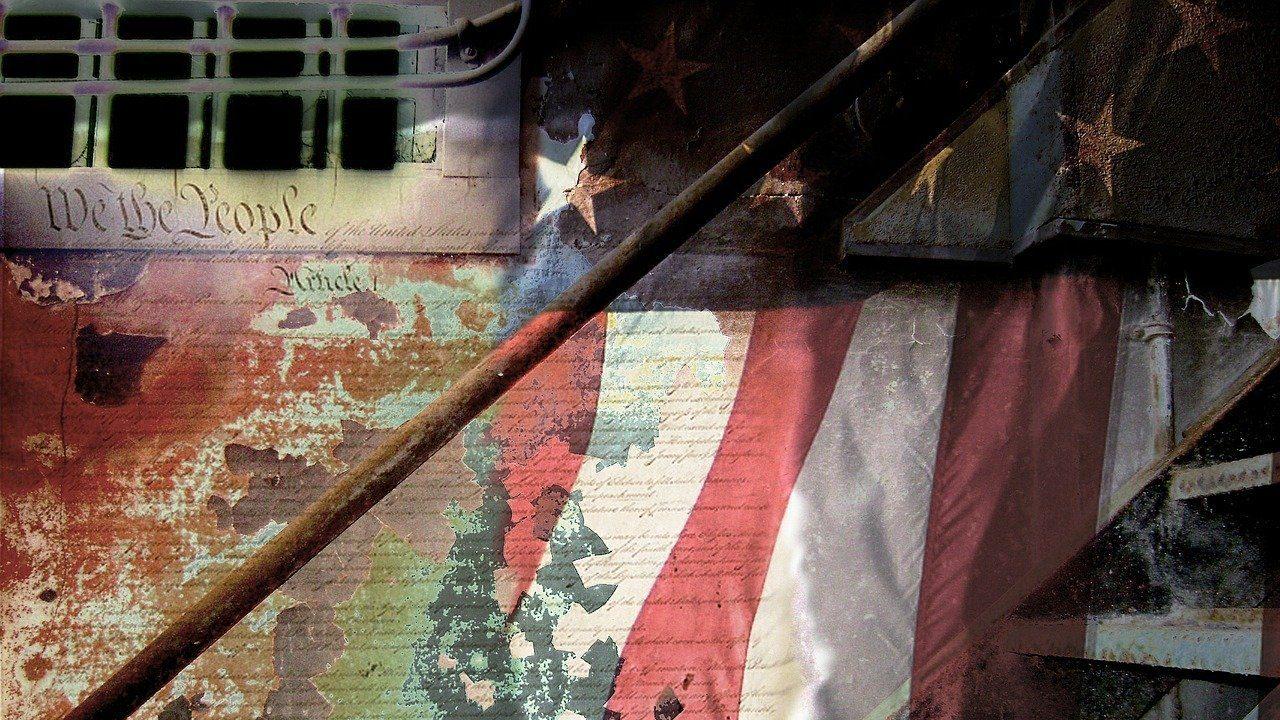
Our founding fathers were founding farmers.
Before they built our country, they worked their land—and as they did, they cultivated the habits that make American liberty possible.
“Those who labor in the earth are the chosen people of God,” wrote Thomas Jefferson, the author of the Declaration of Independence, whose 250th anniversary is just six months from now.
Americans are already preparing for July 4, 2026 with events, storytelling videos, and the inevitable government commission. President Trump has promised “a birthday party the likes of which you have never seen before.” He called for a “Great American State Fair” to begin in Iowa, provide programming around the country, and then culminate on the National Mall in Washington, D.C.
As we celebrate, let’s remember how much farmers had to do with it.
Our greatest founding farmer was George Washington, whom I wrote about several years ago, following a trip to his historic home at Mount Vernon, which was in fact a farm.
Washington didn’t sign the Declaration of Independence. On July 4, 1776, he was a general who was getting his troops ready to defend New York City from the British.
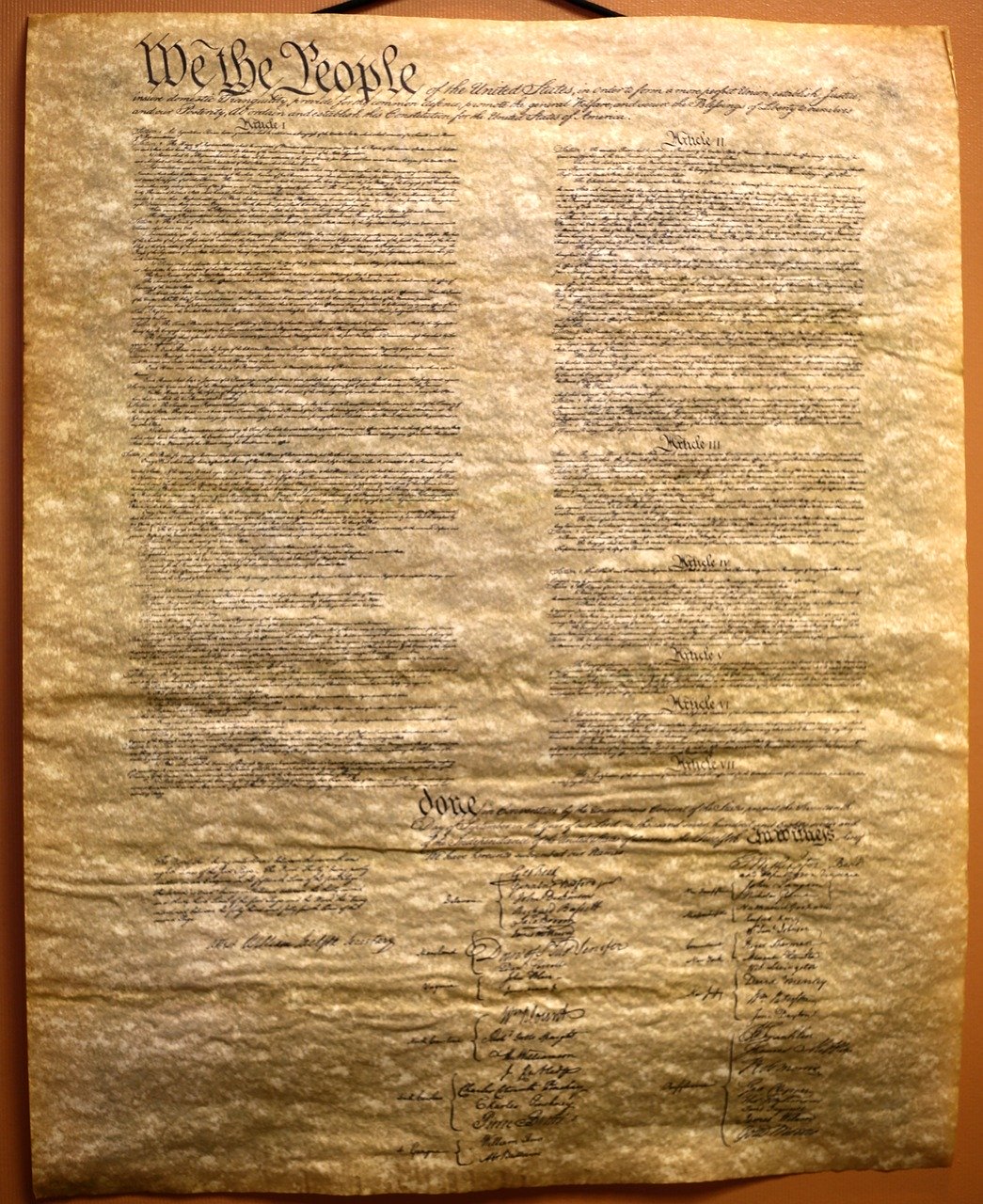
At what we now call Independence Hall in Philadelphia, 56 brave men inked their names at the bottom of the Declaration of Independence. Nearly half of them were farmers—or “planters,” to use a common word from the time.
These Americans pledged “our Lives, our Fortunes, and our sacred Honor” to the cause—knowing full well that it made them traitors in the eyes of the British government.
“We must indeed all hang together, or most assuredly we shall all hang separately,” said Benjamin Franklin, who was one of the 56.
Franklin took an interest in agriculture and even conducted a few experiments. Like one of today’s regenerative farmers, he took a special interest in restoring the fertility of depleted soil.
Yet it would be wrong to call him a farmer. At a time when most Americans were engaged in food production, he was mainly a printer. He didn’t grow crops or raise livestock.
Besides, we have lots of other founding farmers to choose from.
They include Samuel Huntington of Connecticut. He began life on a farm of a little more than 100 acres. He eventually became a lawyer and politician, but he never forgot his roots and always maintained his rural property.
Another signer, John Hart of New Jersey, was a farmer his whole life. His family worked more than 300 acres, producing wheat and corn as well as beef and dairy cattle. Many of his contemporaries believed that he was the best embodiment of the American spirit of self-government arising from land ownership.
The principal author of the Declaration of Independence, of course, was Jefferson. We tend to think of him as a patriot and a president. Yet he was also a planter who oversaw a farm of about 5,000 acres.
In October, I visited Monticello, Jefferson’s home in Virginia. It surprised me to discover that it sits on a mountaintop. I learned that its name, in Italian, means “little mountain.” The views of the surrounding area are stunning.
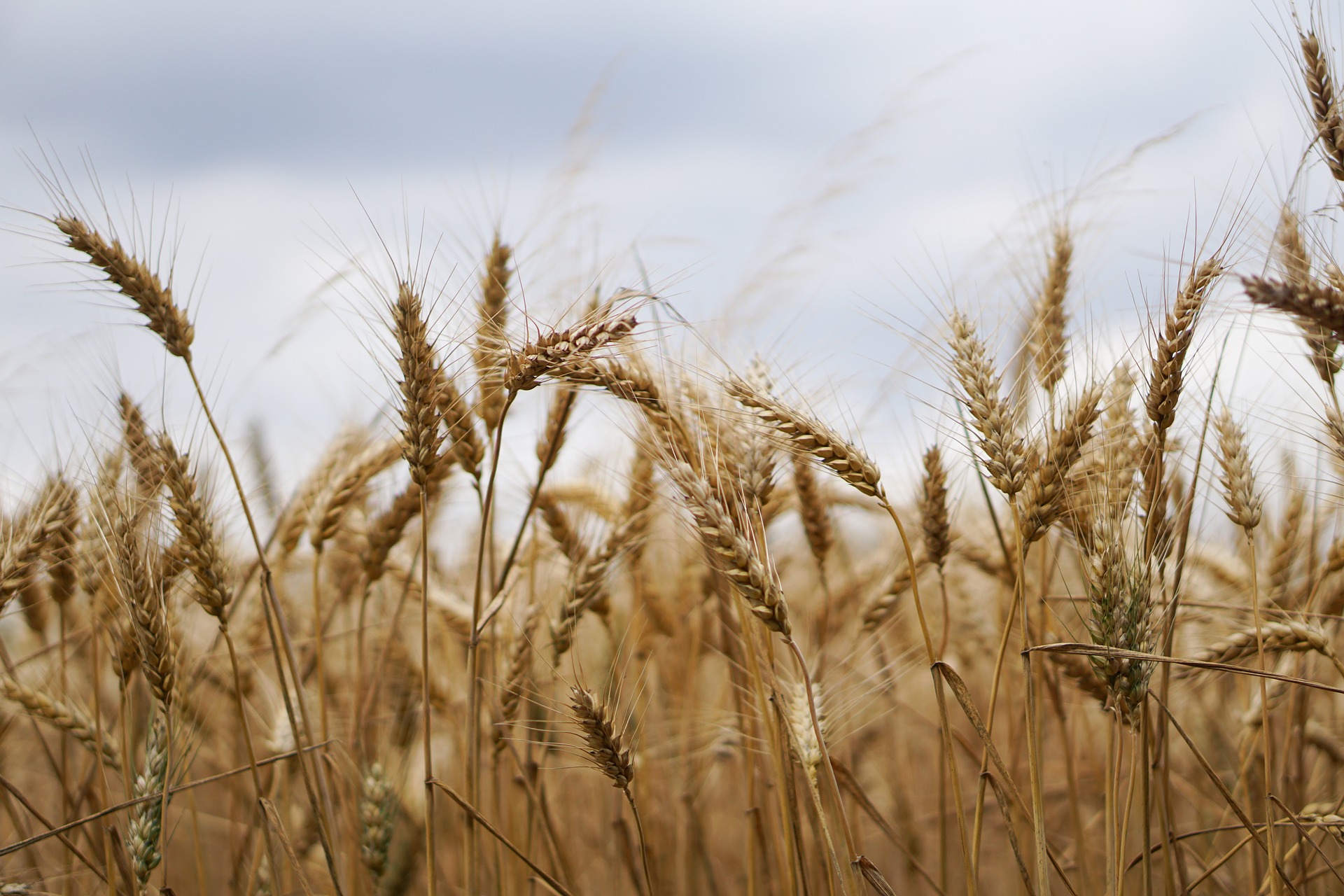
Like many southerners, Jefferson grew a lot of tobacco. In the 1790s, he switched to wheat because it was better for the soil. He also liked that it could feed people.
There isn’t much farmland left to see at Jefferson’s old home. Unlike Mount Vernon, whose agricultural heritage is on prominent display, the closest thing to a field of crops at Monticello is a garden. Walking around the site, you wouldn’t necessarily know it was ever a farm.
Except for one thing: the living quarters and workshops of Jefferson’s slaves.
Monticello was a slave plantation. Jefferson enslaved hundreds of men, women, and children. They were the farm’s primary workers.
This makes Jefferson’s legacy difficult and complicated. I think about it in two ways.
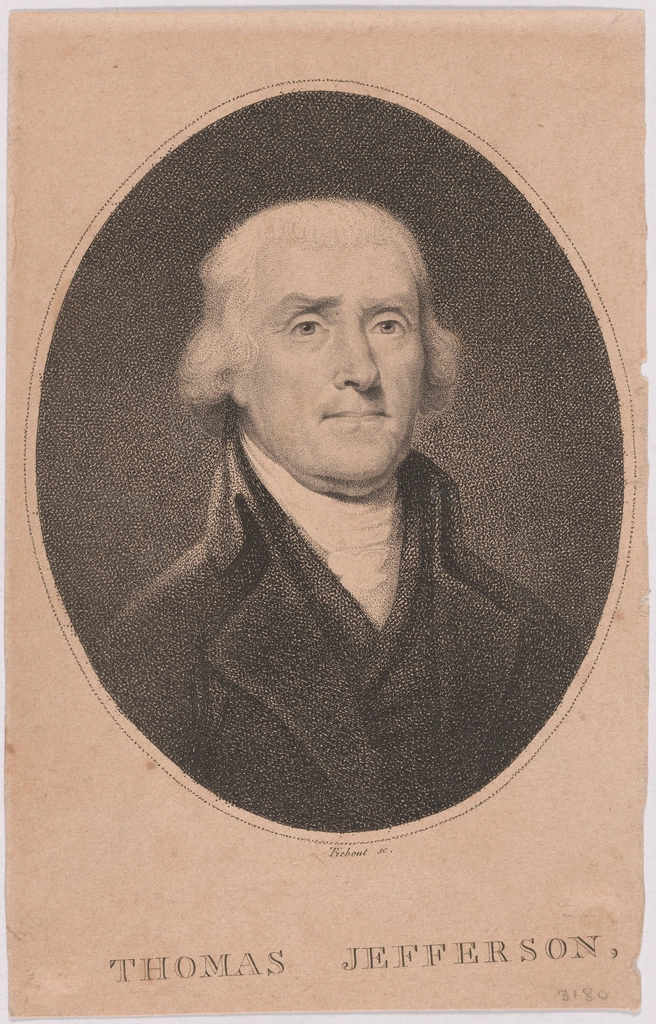
First, our founding fathers included both the great men who signed the Declaration of Independence as well as an entire generation of Americans whose names haven’t gone down in history. This includes the men and women of New England who freely gave their labor to grow food. It also includes slaves whose forced labor brought prosperity to southern planters. Every single one of them—white and black, men and women, rich and poor—is a part of our American story.
Second, Jefferson may have owned slaves, but he also condemned slavery. He saw the horror of it with his own eyes. He called it “a moral depravity” and “a hideous blot.” And of course he wrote the words that have done more than anything else in world history to advance freedom: “all men are created equal.”
Call him a hypocrite. Call him a hero. Maybe he was both. One thing strikes me as true: American freedom was born on American farms.