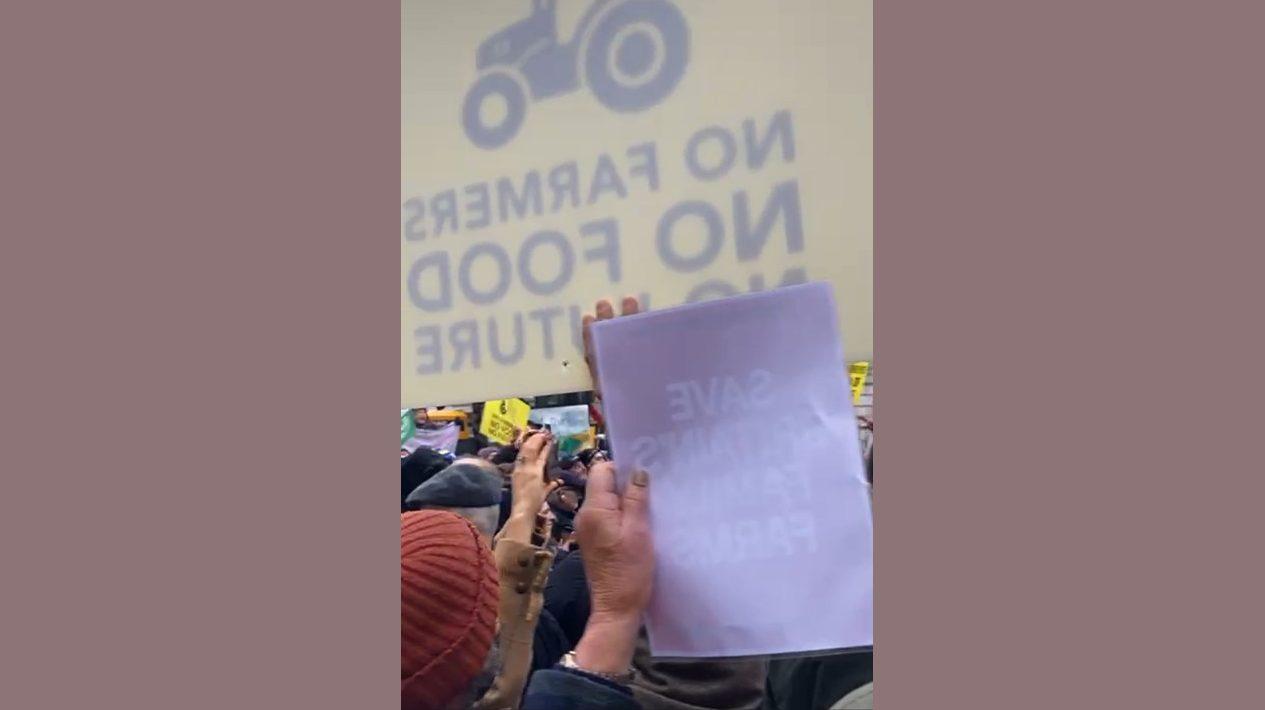
Over 20,000 farmers turned out on a very cold, rainy November day in the middle of London at ten days, for a simple idea: We should be able to pass on our family farms to our children.
I was one of the demonstrators, each of us standing together as a huge crowd, with our own reasons and for an industry that usually works in isolation.
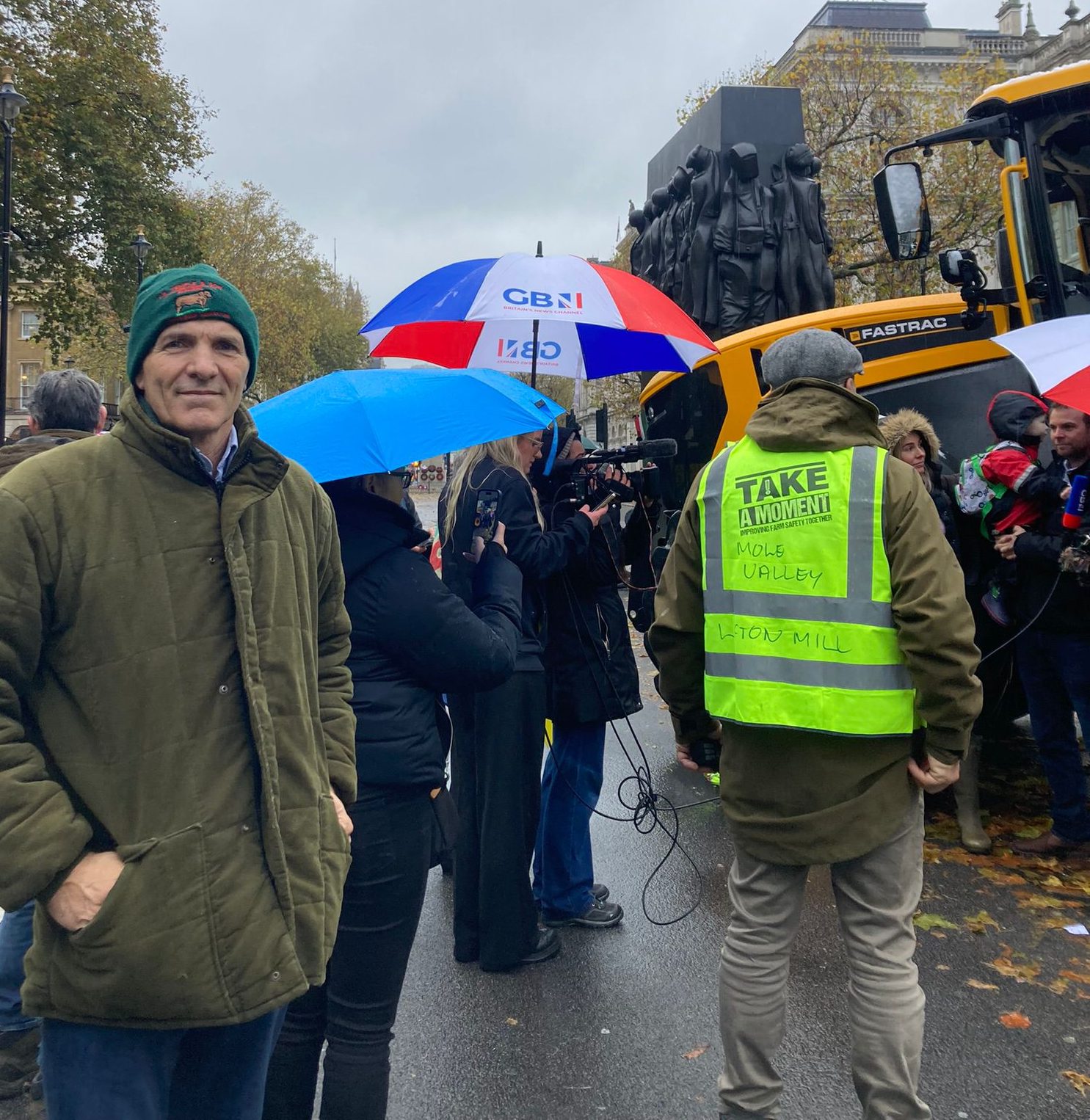
We were angry at the politicians here in the United Kingdom for threatening an important principle with a foolish inheritance tax they had told us before an election they were not going to apply. We set aside our obligations back home, braved the cold weather, and descended on Westminster.
We just want to farm, to feed people, look after the environment—but on November 19, we demanded to be heard.
We refuse to let the politicians take us for granted. They told us they cared about family farms before the national elections in July, and are now doing the opposite when in power.
Their deceptions are bad enough. Their recklessness is even worse. It not only endangers a way of life, but it also imperils our country’s food security.
Under an established policy known as Agricultural Property Relief, farmers may pass on their farms to their children without paying an inheritance tax. This makes sense because farming is a traditional activity rooted in families and communities, with low return on capital—and nobody should pay a price for transferring a working family farm from one generation to the next.
For many farmers, profit margins are small. And that’s when we don’t suffer losses. Last year, because of wet weather, many farms saw their worst yields since 1983.
Some farms may look rich on paper, but their money is locked up in land and equipment. Owners who face a burdensome tax can’t just withdraw cash from a bank. Paying an inheritance tax in many cases would require selling acreage or even dissolving a farm that goes back centuries.
Yet this is what our new government now seeks to do.
Emma Robinson—a farmer in northwest England and one of my fellow protestors—told Reuters that her farm has been in her family for 500 years.
“It’s being taken out of my hands by someone that’s been in Parliament for literally days,” she said.
When Labour politicians were seeking votes from farmers like me and Emma, future Environment Secretary Steve Reed made a promise. At an industry conference last year, he was asked if Labour planned to change the rules of farm inheritance.
“We don’t,” he said. “We have no intention of changing Agricultural Property Relief.”
Now, following their election victory, Reed and his fellow politicians have backtracked.
In a new budget proposal, the government seeks to impose a 20-percent inheritance tax on farms worth 1 million pounds, starting in April 2026.
The politicians insist that they need the money.
Well, we need our farms—and the UK needs what we grow. That’s what we tried to communicate during the demonstration.
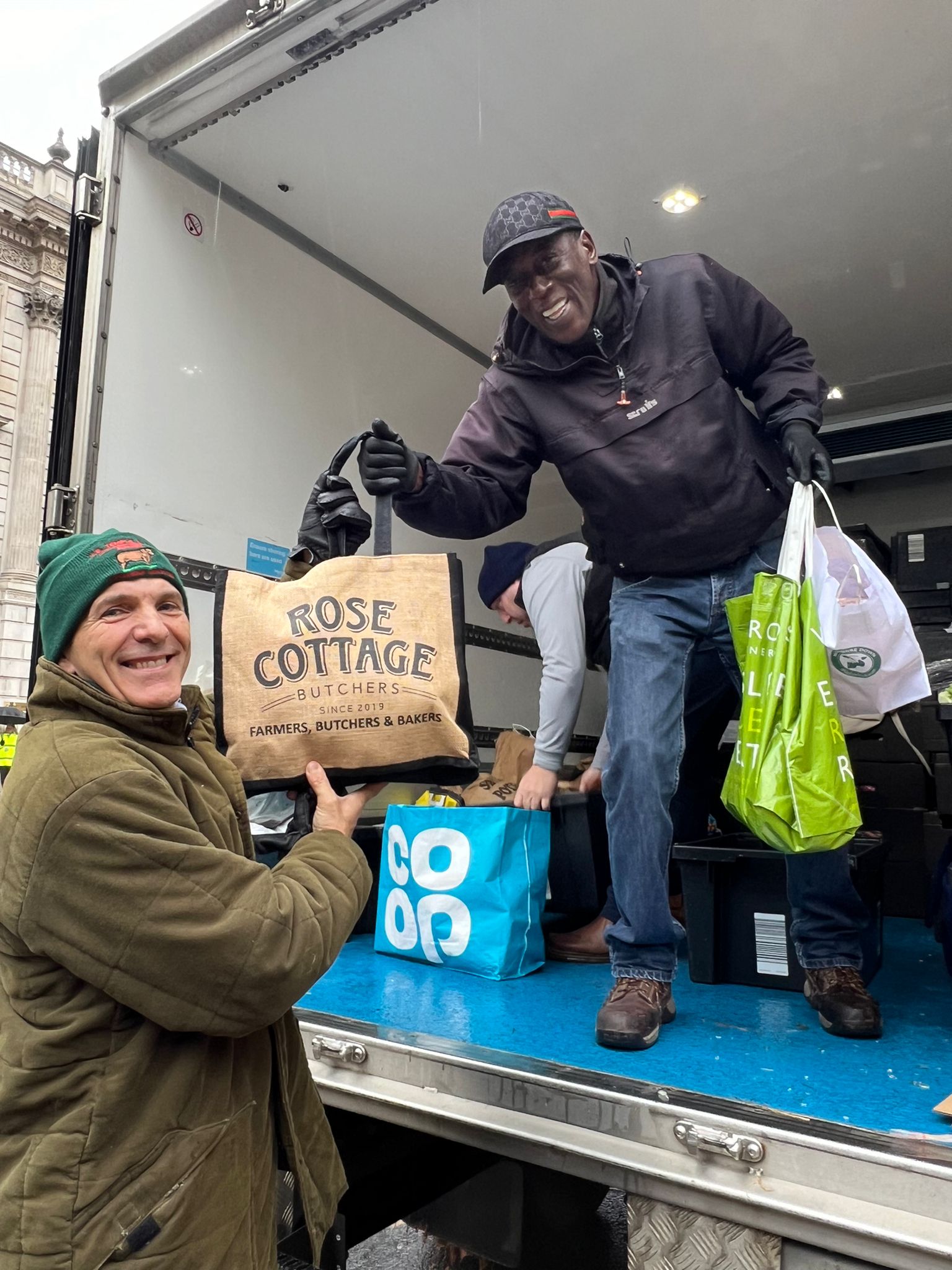
Although we’re upset about the tax proposal, we gathered with good nature and humor. Children rode toy tractors outside Parliament. We delivered more than 6 tons of food to a foodbank, which then provided more than 15,000 meals to the needy. We also maintained public order. “It would be brilliant if farmers could organize every event we police,” said the Chief of the Metropolitan Police.
Much of the debate surrounding the inheritance tax has focused on numbers. A business group says the proposal will affect about 2,500 farms per year, or about 75,000 individual farms across a 30-year generation.
That’s a lot more than what the government claims. It insists that its new tax would hit only 500 farms per year.
Given the government’s recent track record of saying one thing and doing another, I’m skeptical of its low estimate. Yet the numbers are almost beside the point. Nobody should lose a family farm because of an inheritance tax.
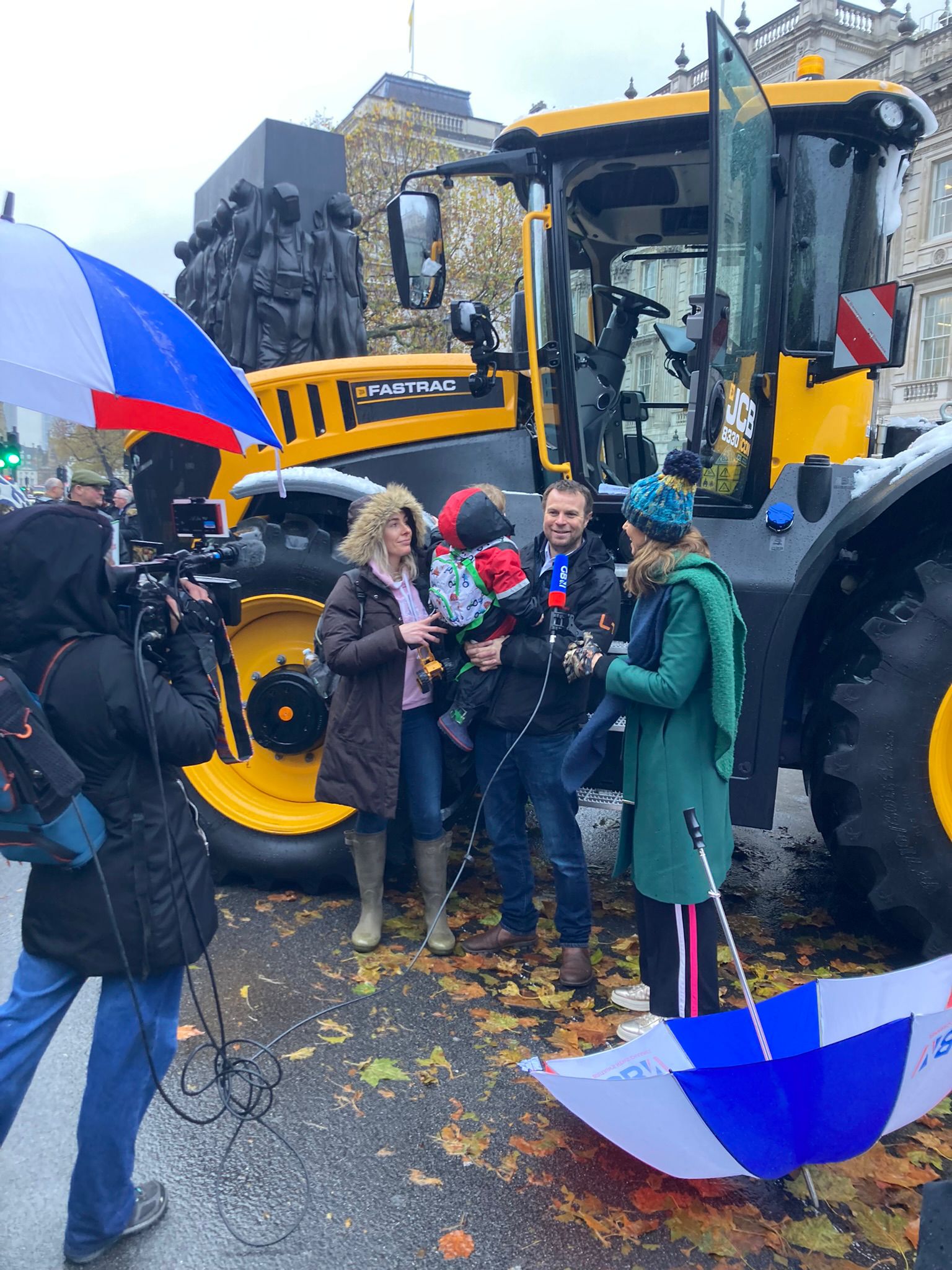
I was proud to join my fellow farmers to defend the future of agriculture. It was good to stand up and be counted. And it was helpful, I believe, to remind my fellow countrymen that behind the food we eat are the farmers who produce it.
This may be just the beginning. We’ve seen farmers stage protests in Germany and across the European Union. In the Netherlands, they recently shaped an election.
It took just five farmers and ten days to organize this first demonstration in the UK.
We’re back on our farms now, but we aren’t going away.