Virtually all of America’s farms are family owned and operated: 95 percent of them, according to the U.S. Department of Agriculture.
With that data in hand, it follows that women are on those farms. Whether they are running machinery, tending livestock or picking up parts, balancing financials or bouncing between tending kids and household duties, women are a vital and often invisible force on farms across the US.
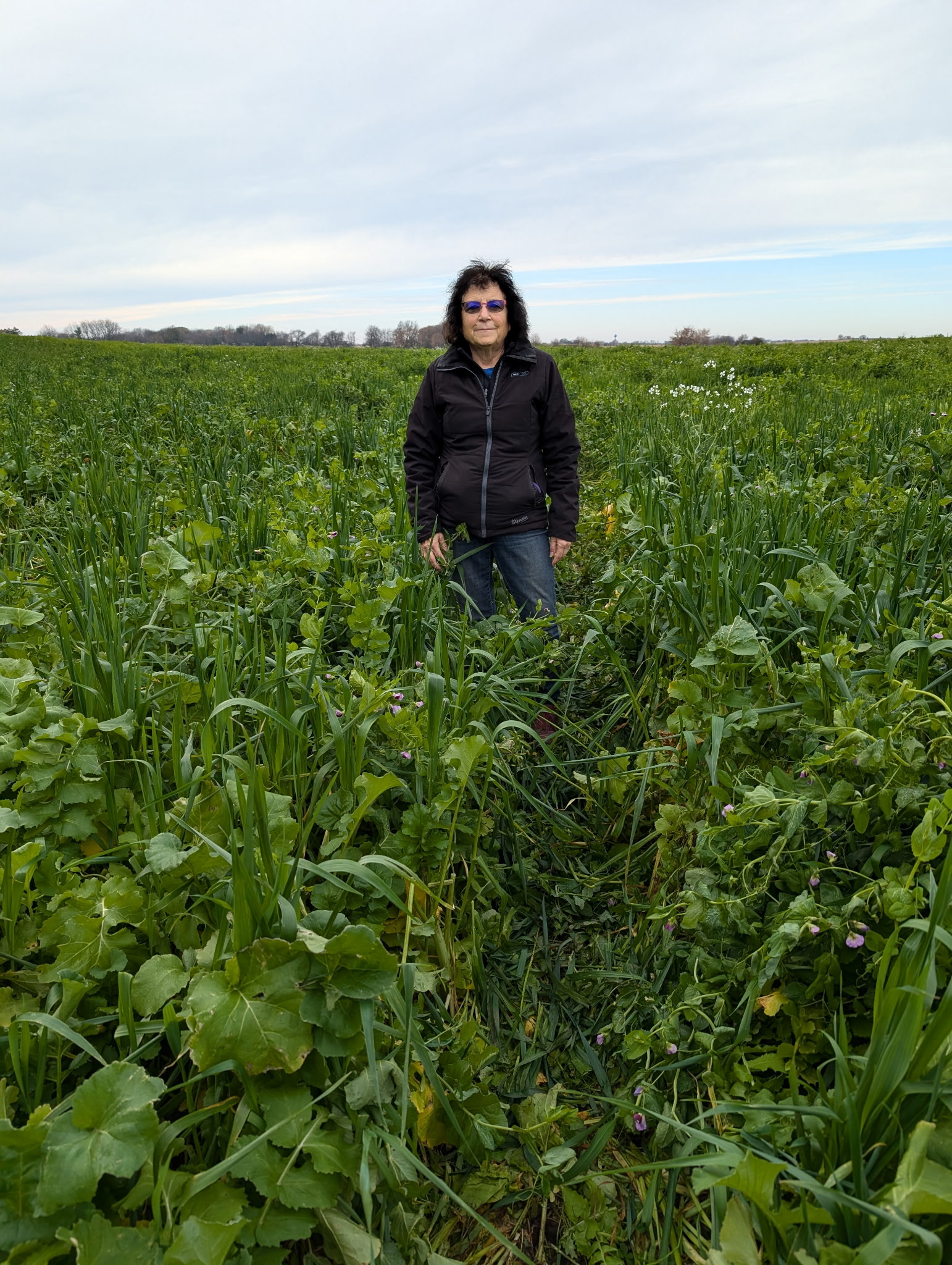
The USDA reports that 58 percent of American farms have at least one female producer, but I’ve been farming for 45 years—long enough to know that very few farms get by without any help from women, including women whose labor doesn’t show up in government statistics.
Consider the old rhyming proverb: “Man works till set of sun/Woman’s work is never done.”
Those lines make me smile because I see the humor in them. And as a comedian once said: The battle of the sexes never will be won because there’s too much fraternizing with the enemy.
I also know that this isn’t a contest. Successful farming is all about cooperation. Both women and men work hard on America’s family farms. Their marriages and bonds are the beating heart of our country’s food production.
The United Nations has proclaimed 2026 as the International Year of the Woman Farmer. It seeks to “spotlight the essential roles women play across agrifood systems, from production to trade, while often going unrecognized.”
I’m not one to whine about men getting all the credit—but I do know that women can be an invisible force on farms. We pick up the slack when and where it’s needed. Many women work at jobs off the farm and earn the steady income that closes cash-flow gaps and secure health insurance for families. These are enormous contributions to farming operations.
The book that has done the most to shape my thinking about U.S. agriculture was written by a woman—and not just any woman, but a Franciscan nun and history professor from my home state of Wisconsin. “In Pursuit of Agri-Power,” by Sister Thomas More Bertels was published in 1988, which was around the time I was getting started in farming.
She makes the important point that farmers must think of agriculture as a business and not romanticize it as “a way of life.” She specifically recognized that women are an amazing and commonly untapped resource. They should be full partners on family farms—and never dismissed as mere “farm wives.”
I know what it used to be like. I’ve heard stories from the 1970s about women who had no credit at their banks, no vote on their cooperative boards, and no way to pay the bills if they suddenly became widows. I remember seeing women wearing name tags that displayed only their husband’s names and not their own. I’ve watched farm women go shopping while men attended business meetings that determined the future of their farms and significantly impacted their lives.
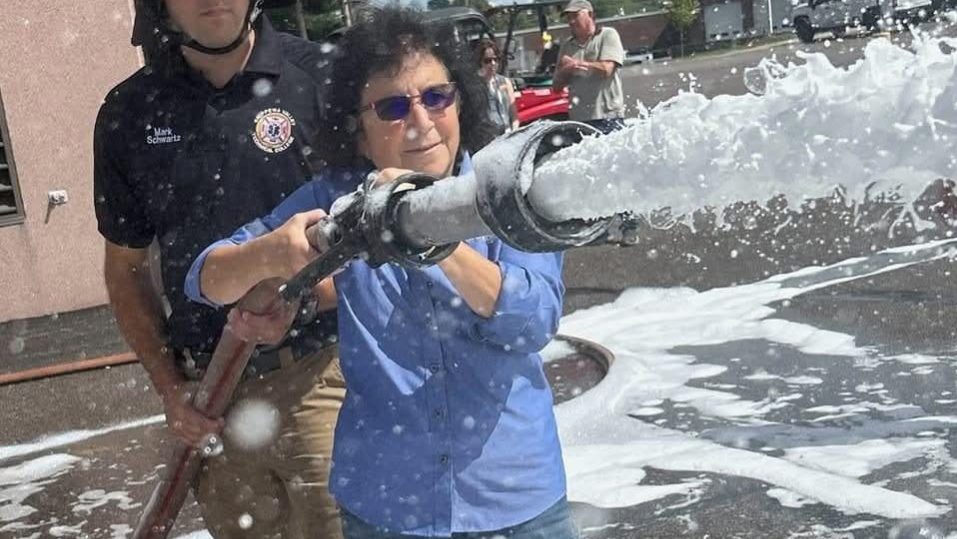
The situation has evolved and things are better today but far from perfect. Women farmers often remain ignored and underestimated. I’ve lived through—and resisted—attempts to classify me as part of an “underserved” group worthy of unequal “advisory” positions on agricultural boards.
These half-hearted gestures hurt rather than help agriculture. They weaken our ability to influence agriculture policy and achieve what Sister Thomas More, in the title of her book, called “Agri-Power.” When farm women are omitted from the conversation, blocked from leadership, and pushed into separate women’s groups, farmers lose half the vision, half the influence, and half the power they could exert on society.
I challenge U.S. farm groups to embrace the spirit of the International Year of the Woman Farmer. This means doing more than putting out feelgood statements on social media and creating video montages of women in plaid shirts who bale hay and smile at cows.
The agenda for 2026 must include recruiting women for leadership positions. Everyone must create an atmosphere in which women feel heard and accepted. And all our colleagues—both male and female—must speak up and defend women when they suffer from unfair treatment.
Here in the United States, let’s make 2026 the Year of the American Farm Woman.