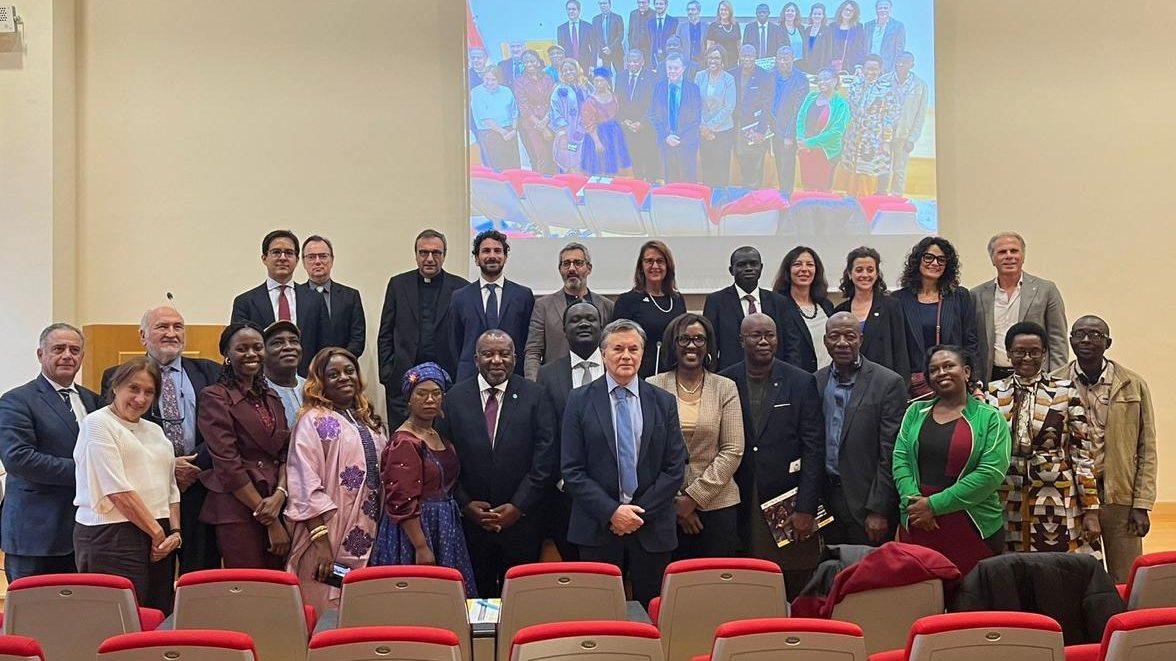
Seven Global Farmer Network members presented at the Second Roundtable of African Farmers at the Pontifical Institute Augustinianum, via Paolo VI, 25, Rome on October 8, 2024 to discuss how a diverse set of practices and technologies can enhance productivity, soil health, biodiversity, water retention and adaptation to climate change. This is a joint initiative by Pontifical Academy for Life, Bayer, World Farmers' Organization, Global Farmer Network, AATF and IICA.
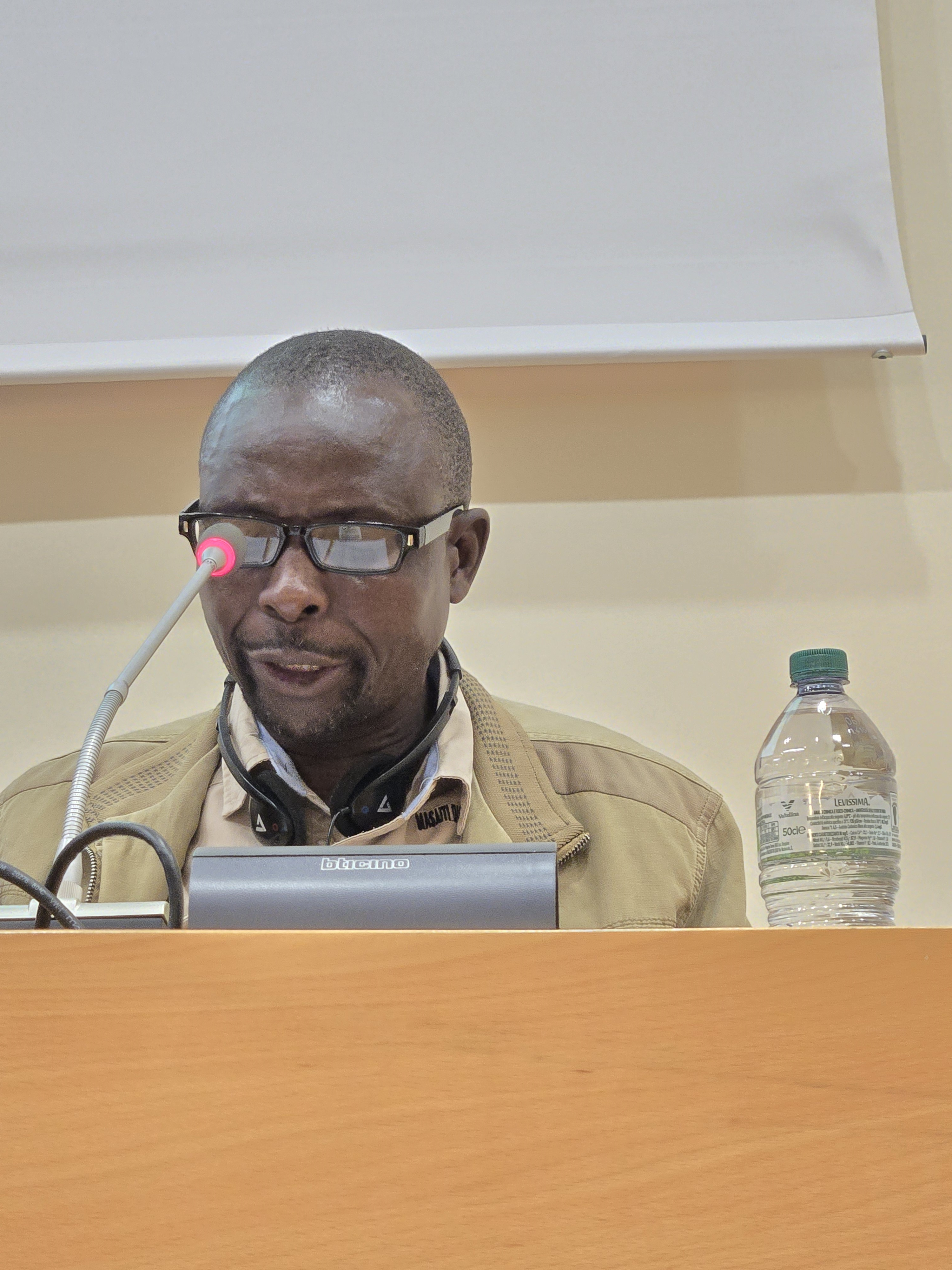
Elisha Lewanika, a Zambian farmer, stressed the importance of regenerative agriculture and the need for proper farming techniques to improve soil health and crop yields: “Crop rotation, particularly alternating between nitrogen-fixing crops and cereals, is a way to maintain soil fertility and ensure sustainable yields. Reducing tillage and other forms of soil disturbances preserve soil structure, minimize erosion and protect soil microbes.”
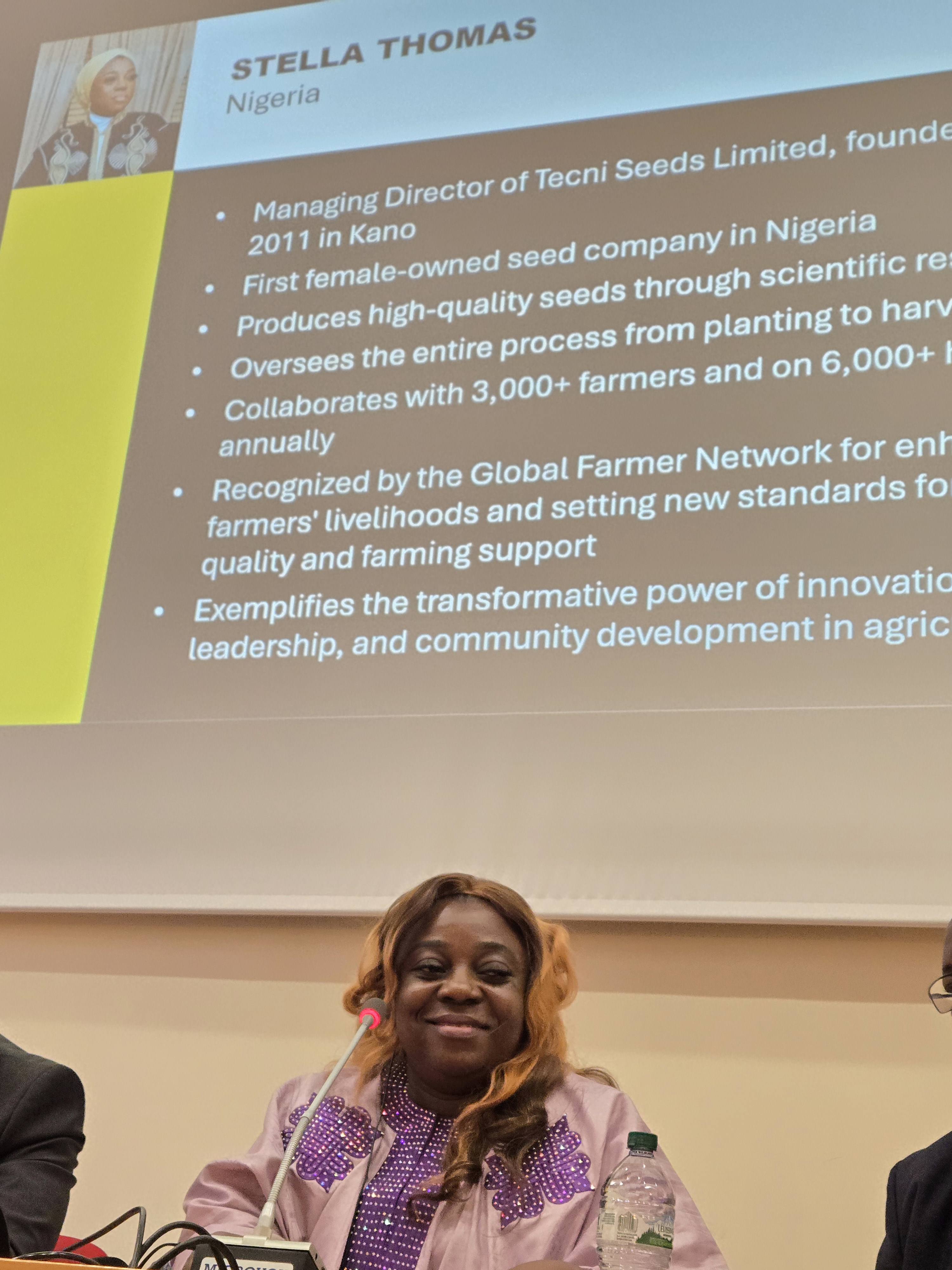
Nigerian farmer Stella Thomas added: “While hybrid seeds and open-pollinated varieties are already available, GMO crops are the way forward for us in Nigeria, especially to address drought and pest infestations. With GMO crops, farmers can use fewer herbicides and insecticides, enhancing both productivity and sustainability.”
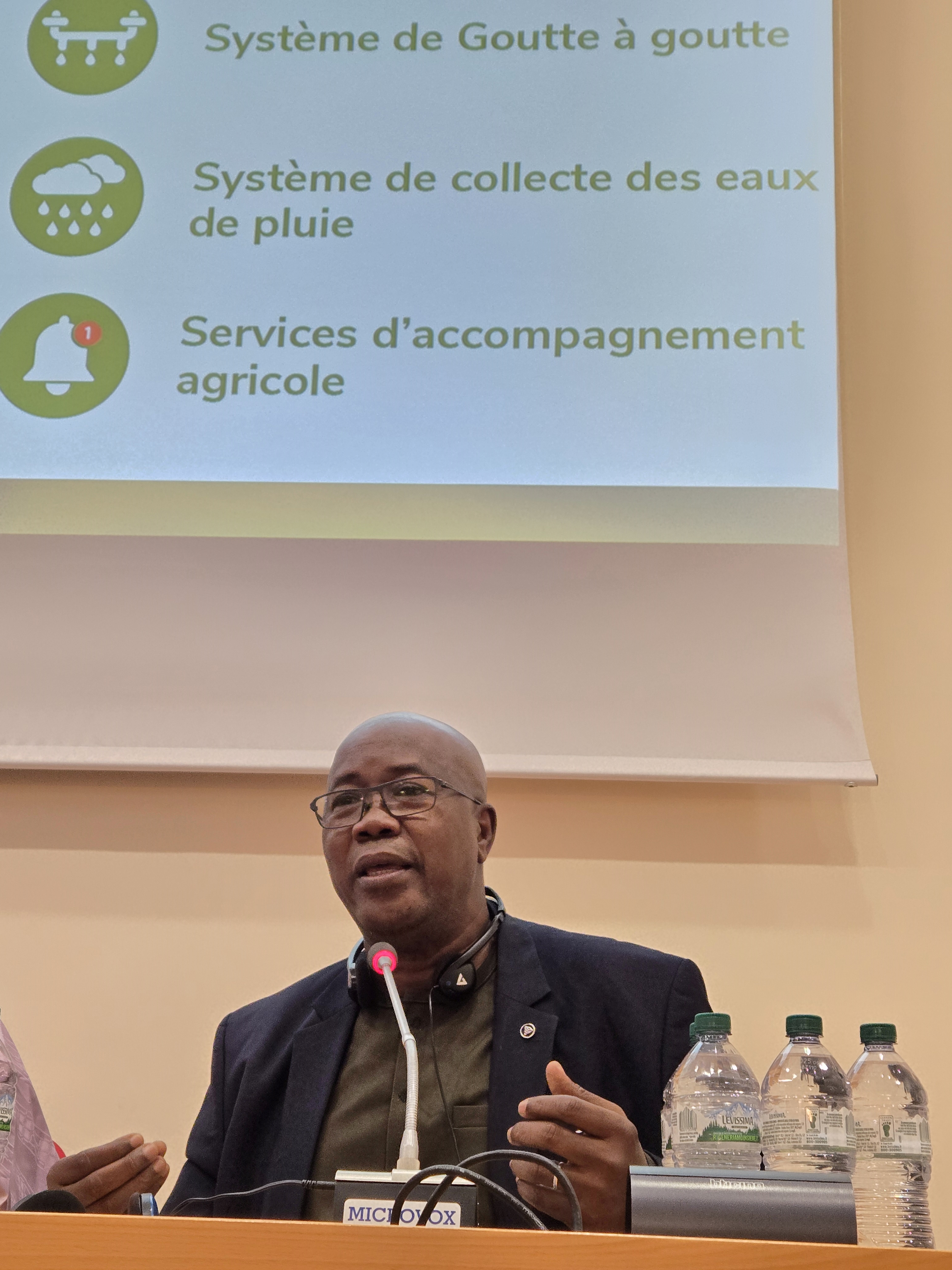
Amadou Sidibe from Mali highlighted the benefits of greenhouse technology in mitigating climate change effects: “While heavy rainfall and flooding were impacting many parts of West Africa, our greenhouses remained unaffected. During dry periods, my greenhouses use 90 percent of available water in a very efficient manner, making them a powerful tool for managing agriculture in times of an increasingly unpredictable climate.”
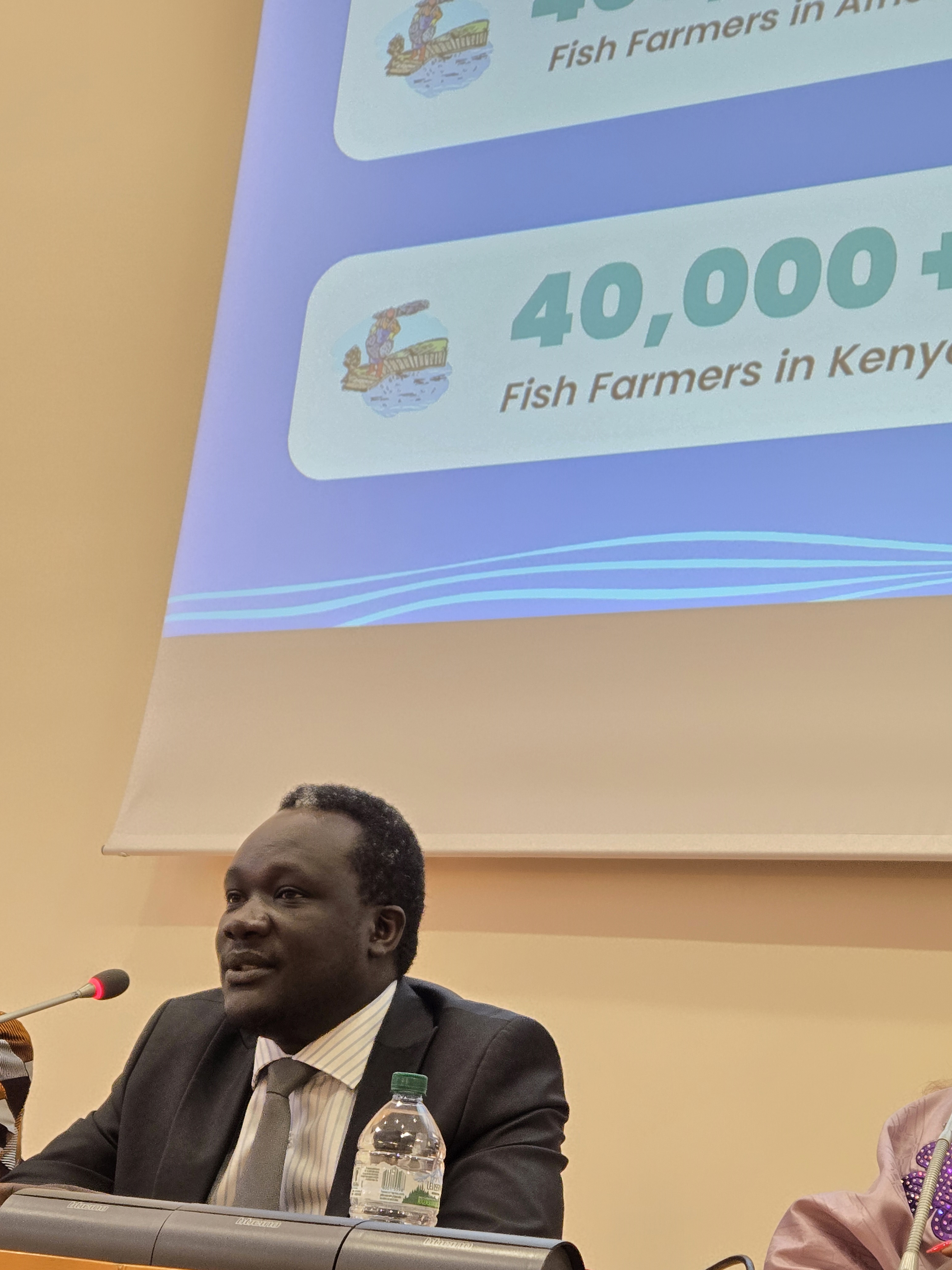
Dave OKech, Kenya, shared the story of AquaRech and fish farmers in Kenya. He is the developer of the AquaRech App, which allows farmers to access high quality feeds, manage farms, and gain market access for their product. He also has developed a digital thermometer that relays water temperature to farmers’ phones.
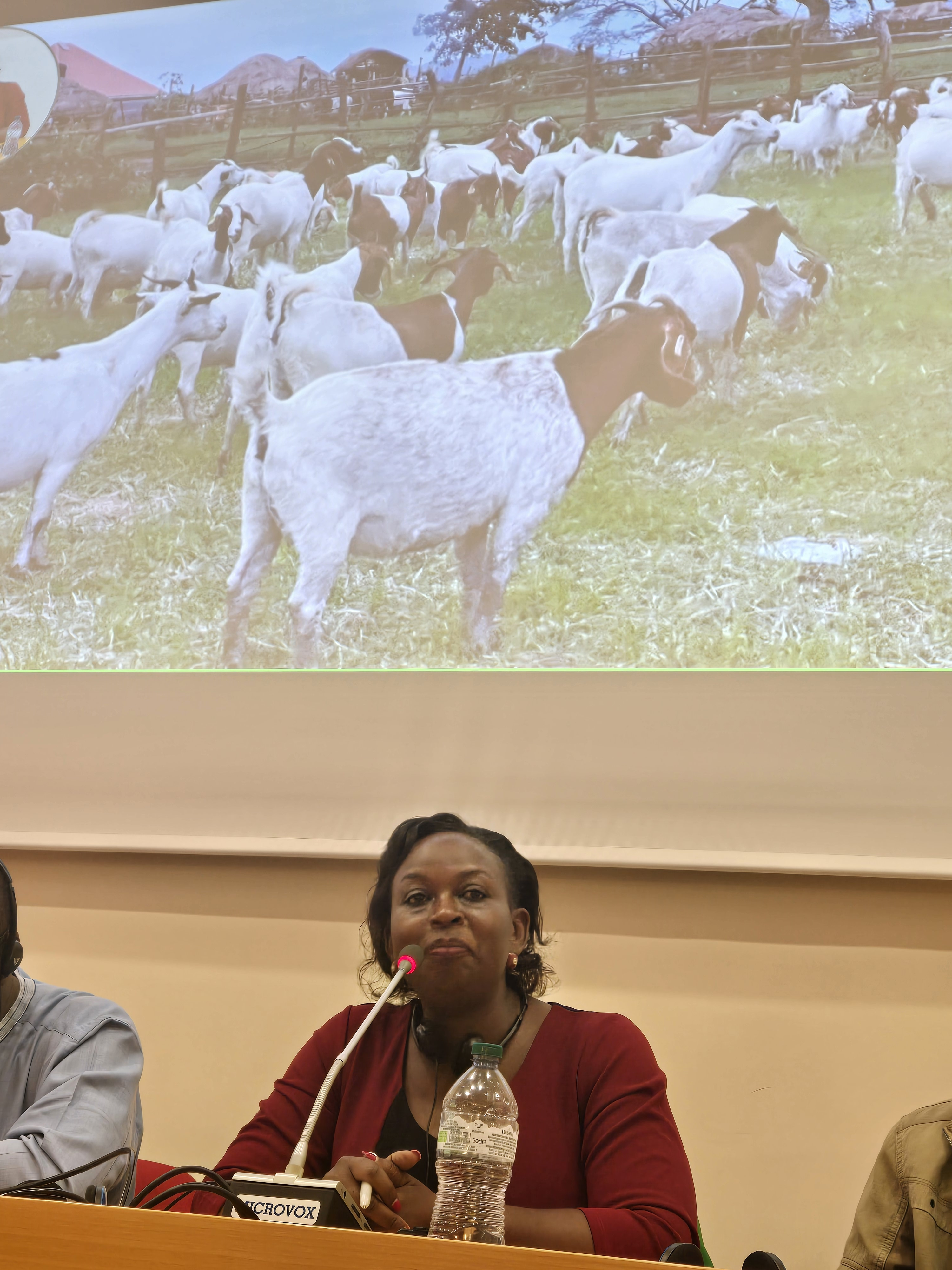
Grace Bwogi Namukasa, Uganda, is the CEO of Bwogi Farms. She shared her passion for goats and banana production, and her role in mobilization, training and inspiring thousands into the best management practices of agriculture. A leader in the Uganda Goat Farmers’ Cooperative, she also brings together goat farmers in order to boost production.
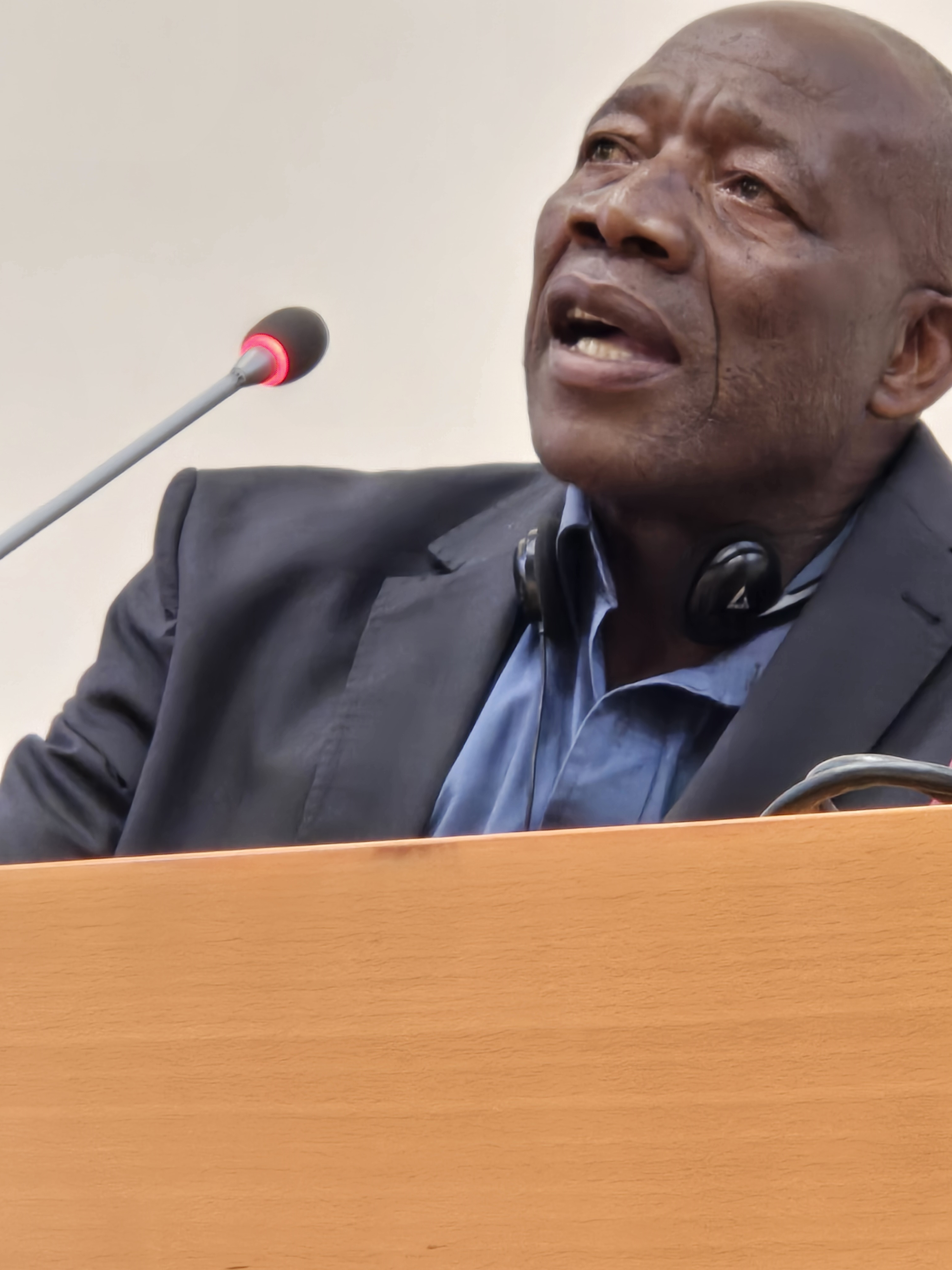
Motlatsi Musi, from South Africa plants Bt maize and has yield success with this modern technology. Revised policies are needed by smallholder farmers as actionable solutions to increase productivity, lower environmental impact and adapt to climate change.
Mary Boote, USA, CEO of the GFN gave opening remarks and introductions for the event.
Despite the proven benefits of diverse approaches, the farmers highlighted the barriers that they face to access the tools they need to fully realize the potential of regenerative agriculture. Low public and private R&D investments, high upfront costs for modern technologies, limited access to insurance and credit policies and lack of infrastructure hinder many smallholder farmers to contribute to agriculture's transition towards higher productivity with a reduced impact on the environment.
To promote regenerative agriculture, the African farmers are urging governments to revise policies, allowing access to diverse technologies tailored to farmers’ needs. Financial institutions should offer low-interest loans, grants, and insurance products especially for smallholders, encouraging investment in modern technologies and sustainable practices. According to the farmers, expanding education and training through demonstration farms, digital platforms, and extension services remains essential. Furthermore, increased public and private investment in R&D, alongside collaboration between companies, farmers, and research institutions, is vital to develop region-specific solutions and make both traditional and innovative practices accessible and affordable.
Agriculture supports over 50 percent of Africa's population and contributes 35 percent to its GDP, reaching up to 60 percent in some countries. Despite this, Africa faces rising food imports and persistent food insecurity due to low productivity, low value added per worker, and subsistence farming below efficient scales with an average farm size of 1.3 hectares. Despite having 65 percent of the remaining arable land of the world, only 10 percent is utilized.