When the boy asked me to work in a cocaine lab, I knew we had a problem.
He was a bright student, genuinely interested in science and always asking questions. I was his chemistry teacher. That’s one of my jobs, in addition to working on a family farm here in Colombia.
I thought I was doing well with him and that he was learning. One day after class, however, he came up to me. “Since you know chemistry, would you help me work in a cocaine lab?” he asked. “I can introduce you to the bosses. They pay very well.”
He went on to tell me that another teacher who worked in a cocaine lab had made enough money to buy a new car.
I was shocked. I did not respond—and in that moment, I was struck by the monumental challenges that rural youth face in Colombia. How much potential are we losing because young people are choosing this option?
Maybe my student’s question shouldn’t have surprised me. Every Colombian knows that the cultivation of coca plants is a major sector of our country’s agriculture. And every farmer probably has wondered about taking it up.
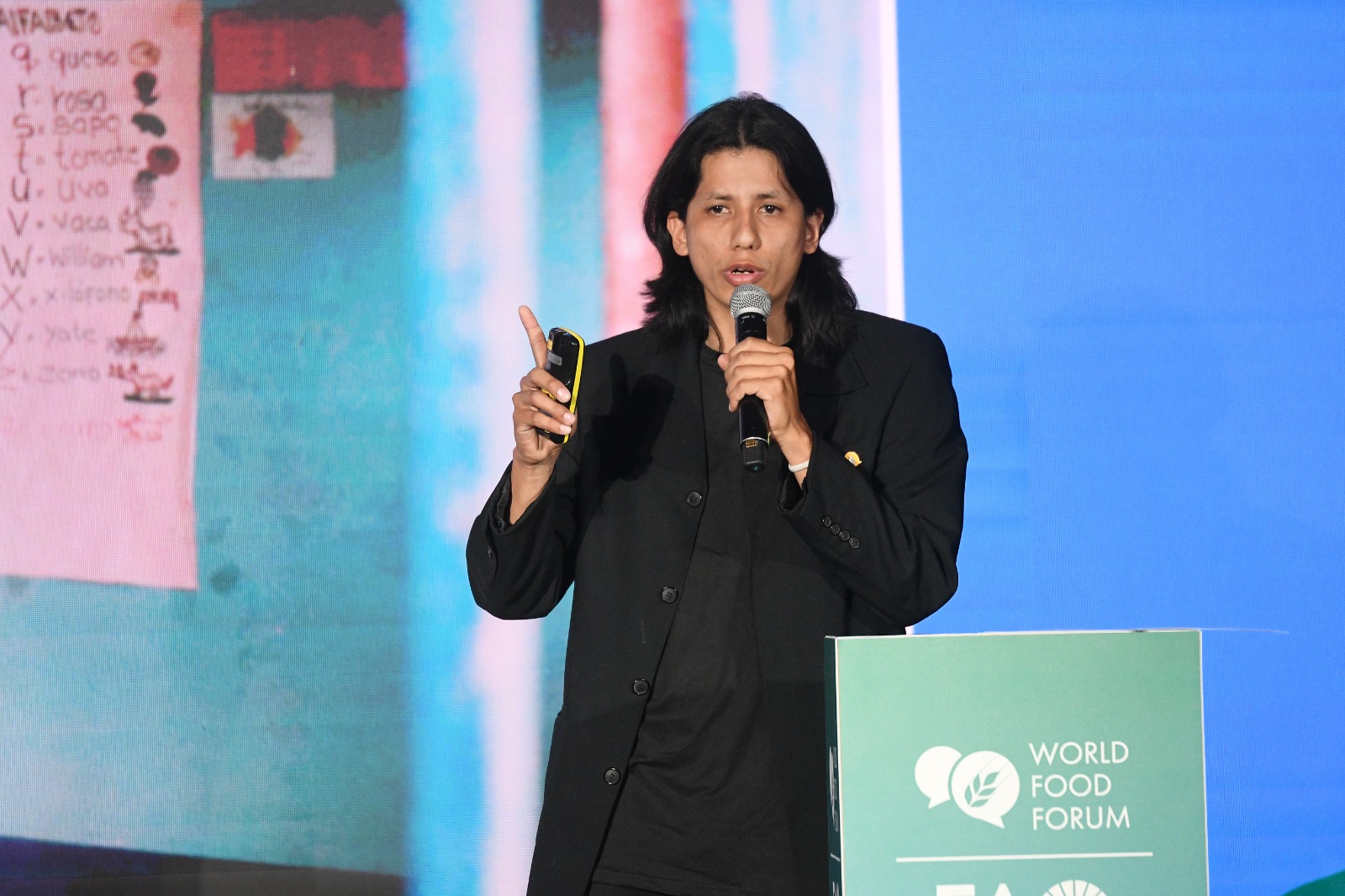
This dilemma lately has received attention from the international press, as Howard Buffett, the son of the famous investor Warren Buffett, has invested millions trying to persuade Colombian farmers to switch from coca plants to legal crops. I’m doing my part in a smaller way with ELOJA, a group that I founded to mentor young people in entrepreneurship, connect them with financing opportunities, and help them turn ideas into businesses.
This is the way to a brighter future—and it can begin on a farm like mine.
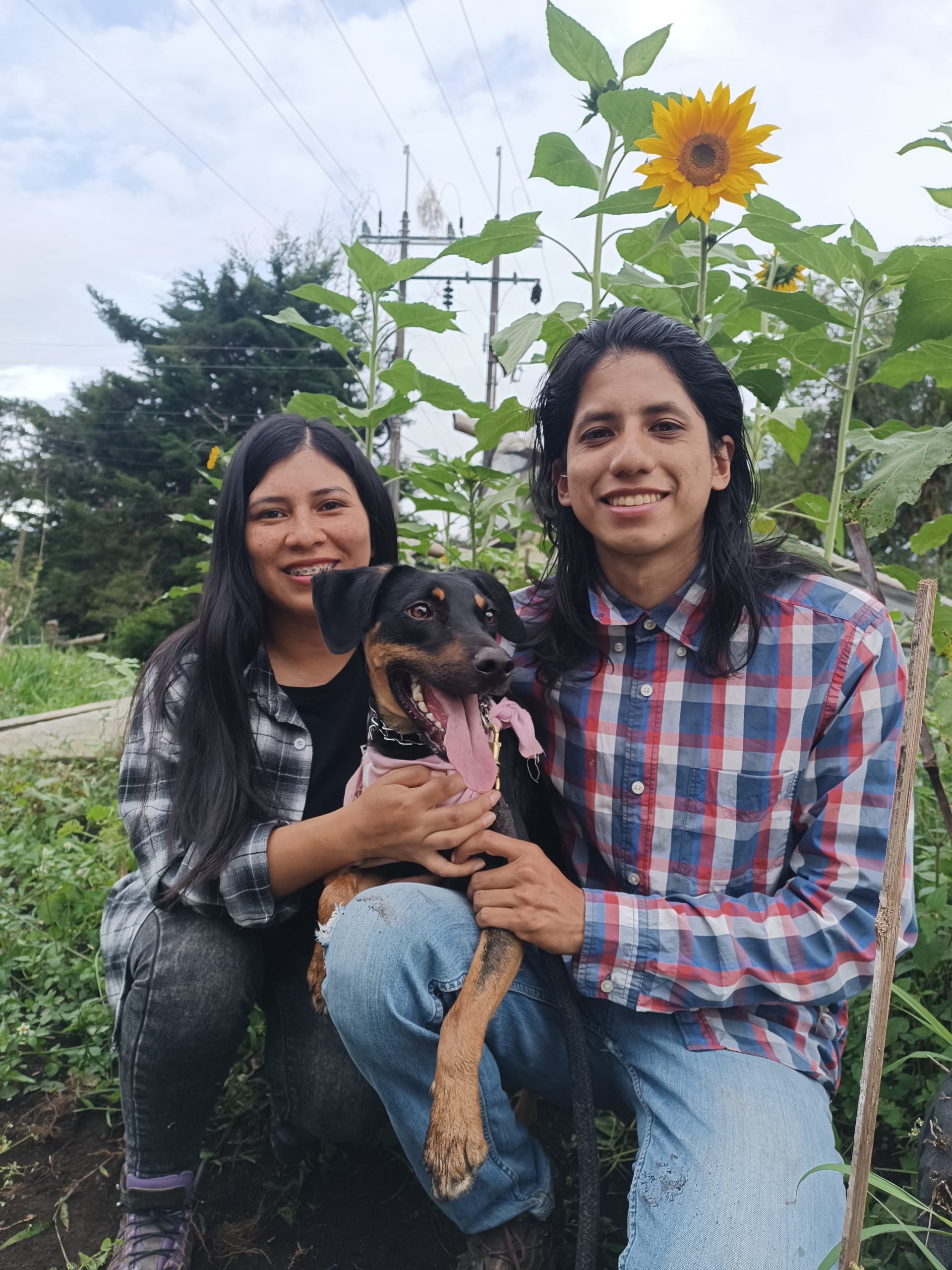
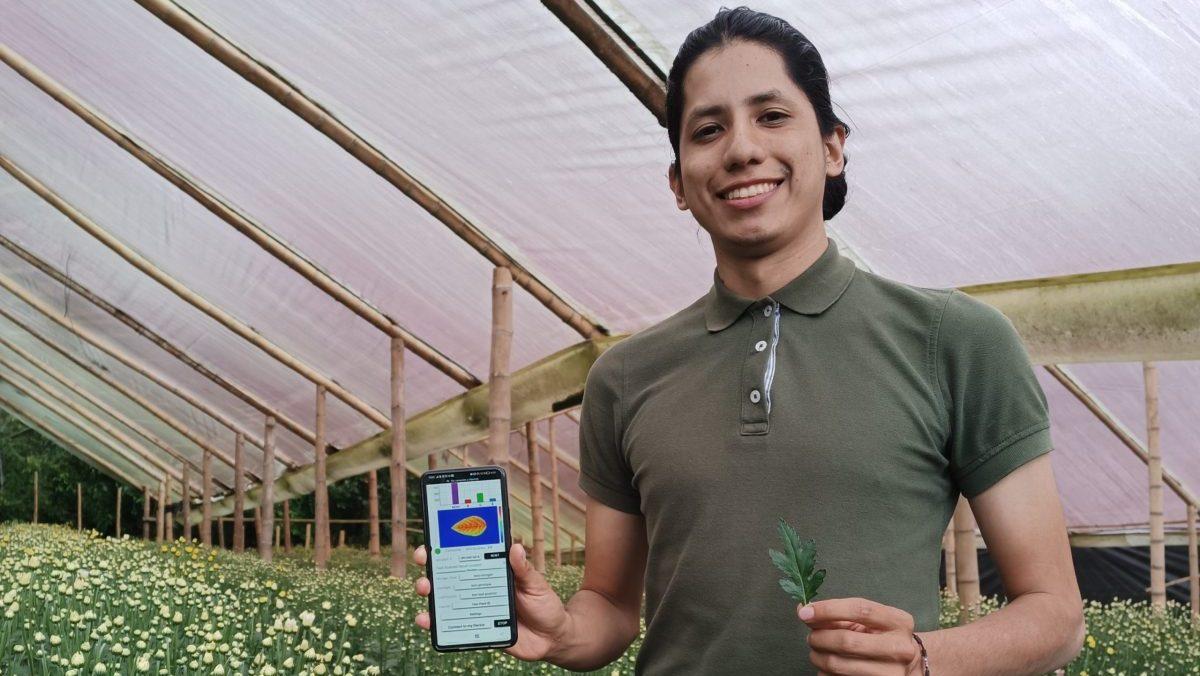
I grow flowers and coffee near Peindamo, a small city in the department of Cauca. My grandparents were coffee farmers. My father continued it and added flower production more than 30 years ago, and I took it up after he died because I wanted to maintain the family legacy as well as help it grow. Our flower production once covered four hectares, but during the pandemic it shrank to a single hectare. My goal is to rebuild, expand, and innovate—and to do it in a way that brings hope to young people.
I have friends whose families raise coca, and some of them used the proceeds to finance their university educations. Others have paid off debts. Many farmers grow the crop because they’re poor and it provides a fast and steady income. They’re willing to risk conflict with the military, police, and armed gangs.
I avoided that path because I want no part of the violence, extortion payments known as “vacunas,” and the other illegal activities that surround it. I respect the difficult decisions that other farmers make, but for me, agriculture is a path to peace, stability, and opportunity.
My plan is to build something sustainable for my family and community without putting anyone in danger. My academic background plays a part, allowing me to understand and apply information gained from scientific articles and publications to improve my farm.
We once had a problem with transplanting sunflower seedlings during germination. Research showed me which inputs to use and in what quantities, and soon we were growing better flowers than ever before. I’ve also used my knowledge of chemistry to calculate nutrient solutions and define the proper timing for irrigation and fertilization. This improved crop quality and lowered production costs.
Chemistry allows me to go beyond traditional methods of agriculture that often remain stuck in the past and to become a dynamic farmer who tries new ideas and tools.
This is the future I want to help create—one in which young people see hope and opportunity. Where agriculture is profitable and dignified. Instead of coca, I imagine diversified and profitable crops, with export possibilities. I see more agro-industries transforming what we grow into high-value products – chocolate, essential oils, natural dyes – so that families can earn more per hectare.
The future is possible. It will take collaboration, patience and courage. With the support of government to invest in infrastructure and security; private companies who can provide technology and can purchase from small farmers; and international partners to provide training and funding, we can help farmers quit the drug trade for good.
My goal is to ensure that the next student who loves chemistry sees a future in science and entrepreneurship – not the illegal drug trade.
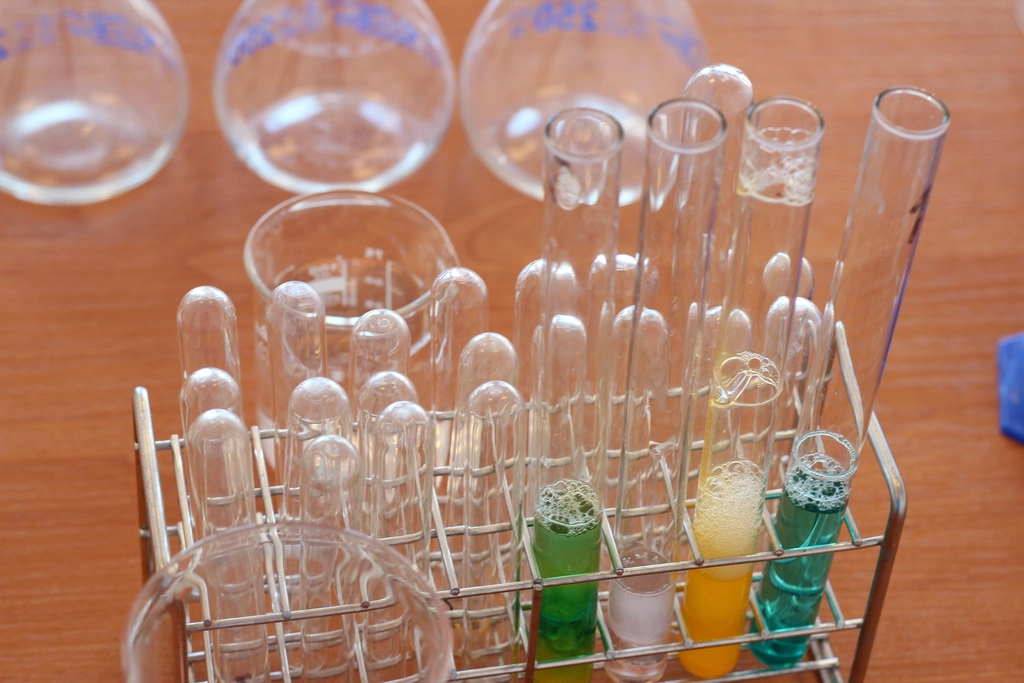
Photo credit: "Free chemistry science test tubes"/ CC0 1.0