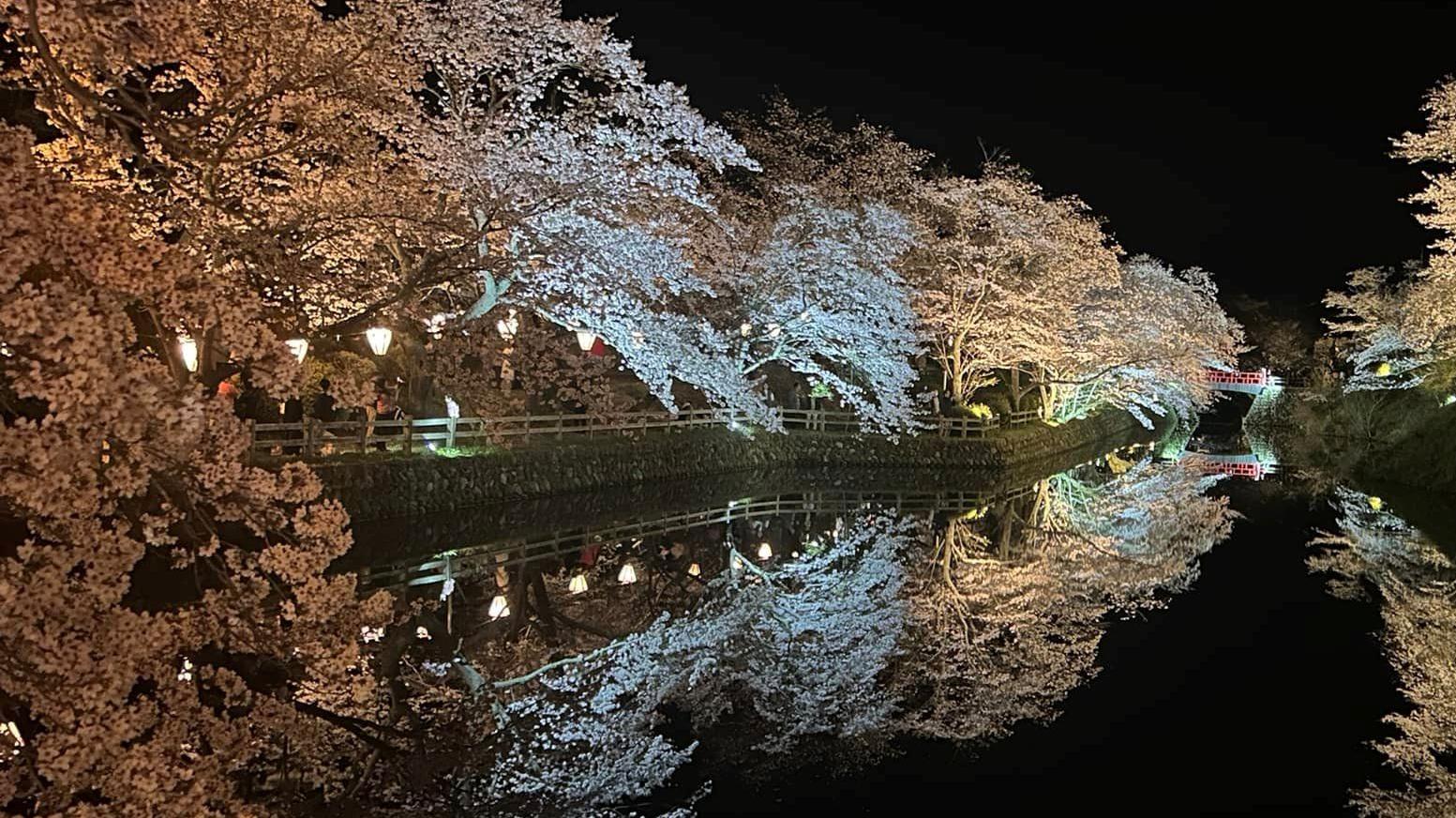
More than a million people view the cherry blossoms in Washington, D.C., each spring.
They come for the beautiful spectacle of pink and white flowers. When they do, however, they’re also partaking in a festival of international friendship and agricultural innovation that began on March 27, 1912 when the first two Yoshino cherry trees were planted on the northwest bank of the Tidal Basin by Helen Taft and the Viscountess Chinda, wife of the Japanese Ambassador, in a simple ceremony witnessed by just a few people.
The peak bloom in 2024 followed a mild winter and arrived on March 17, which is the second earliest date on record. This year also marks a turning point, because now the U.S. National Park Service will cut down about 150 of the iconic trees as they begin a multi-year restoration project for the Tidal Basin, the area around the Jefferson Memorial that is home to so many of the trees.
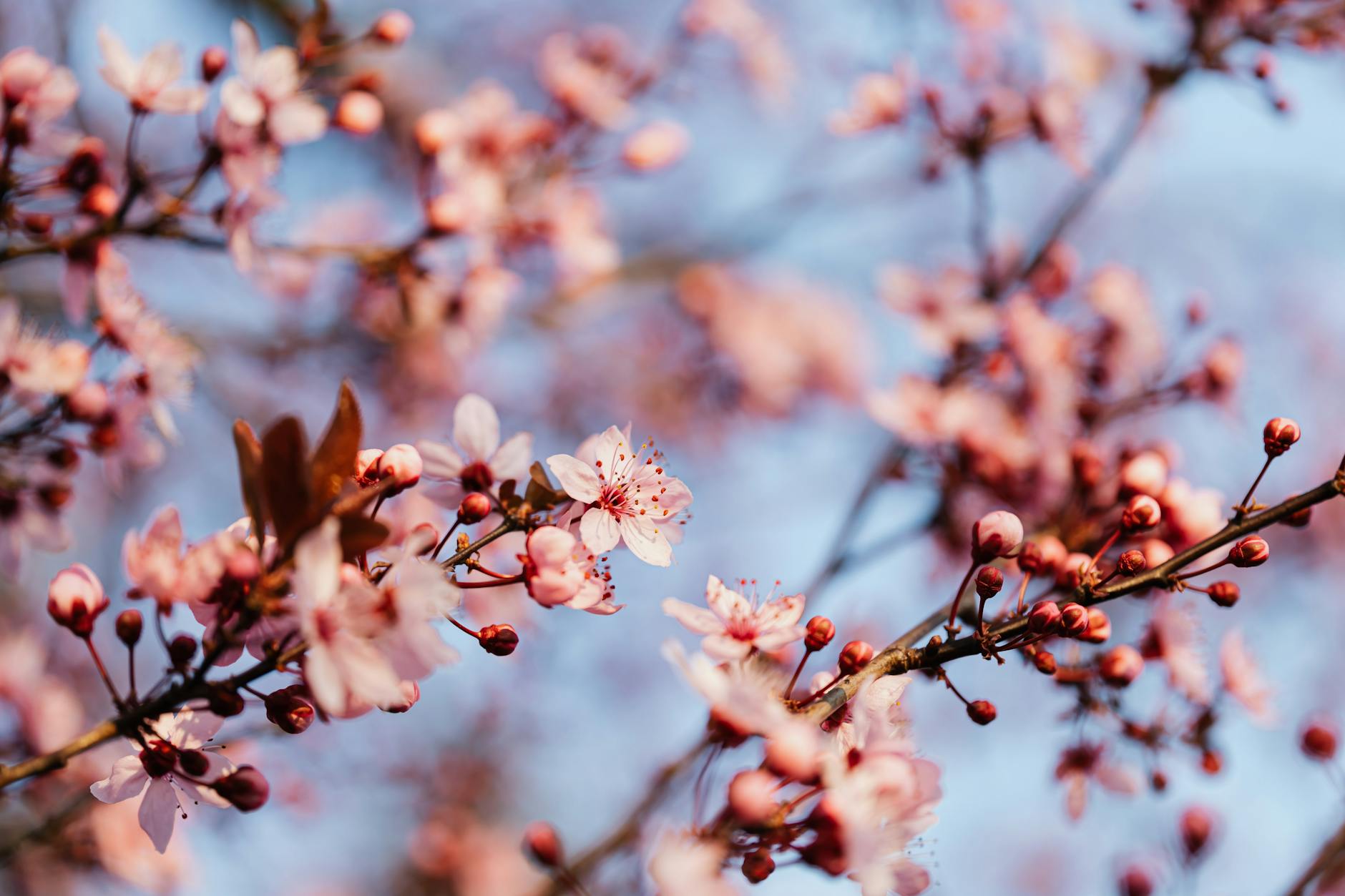
One of the trees to be removed will be the most famous tree of all. Known as “Stumpy,” it became an arboreal celebrity in recent years for the flowers that have continued to grow from its withered trunk and branches.
As a farmer in Japan, I see cherry blossoms all the time. The trees are beloved in my country. During the cherry blossom viewing season in April, eating, and drinking beneath their blooms is a popular pastime.
The trees in America were a gift from Japan in 1912, when more than 3,000 traveled across the Pacific Ocean to Seattle, and then by rail to Washington, DC, where they were planted around the city. Today they can be admired around the U.S. Capitol, on the National Mall, and elsewhere.
I’ve been told that the best place to enjoy them in the United States is along the Tidal Basin. I’ve never seen the cherry blossoms in America, but it is one of the places I would like to visit someday.
If I get the chance, the technology of cloning will play an important role in making that possible.
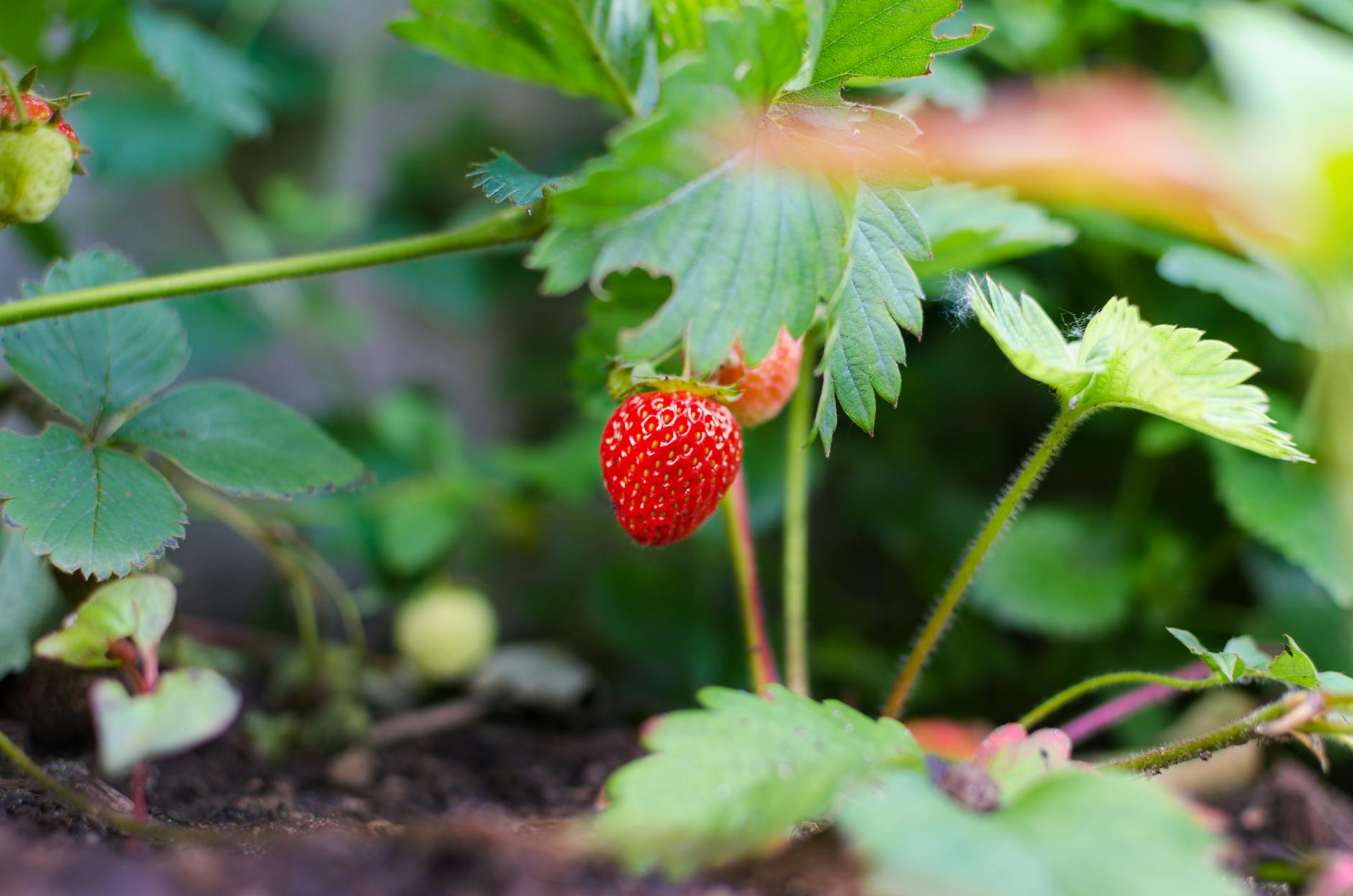
When people think about cloning, their minds often turn to science fiction. Yet cloning is in fact a natural and ordinary form of reproduction. In the wild, many plants create “clonal colonies” that appear to be individuals but in fact are connected below ground. Some are delicious sources of food, such as strawberries and blackberries.
Farmers have cloned certain plants for generations. One result is the proliferation of cherry blossoms in Japan and around the world.
The history of cherry-blossom cultivation in Japan goes back more than a thousand years. In the 19th-century, Japanese farmers applied the technique of grafting, which involves moving a budding branch from a healthy tree onto the stock of a more established tree.
It’s like an organ transplant, but for trees.
Just as an organ transplant can save the life of a person, grafting can make it possible for cherry blossoms to flourish. It has helped them thrive in Japan and spread around the world.
It also makes them clones.
One of the benefits of cloned cherry blossoms is that they all bloom at the same time. Their identical genetic composition means they respond to the cues of weather in perfect synchronicity, leading to the visual splendor that captures so much attention each spring.
Behind the beauty is a serious scientific project, even though most people have no idea how or why the cherry blossoms erupt in flowers.
And that’s ok. We can love paintings by Caravaggio without knowing anything about egg tempera—and we can enjoy cherry blossoms without knowing they’re clones.
Yet we also should appreciate that an enormous amount of innovation goes into the plants that we often take for granted. That includes the crops we eat. The rice, red beans, and buckwheat that I grow on my farm are the result of crossbreeding by farmers that goes back centuries. The future of food also will rely on sound science and proven technology, and it will depend on new advances that will benefit everyone, such as the New Genomic Techniques (NGTs) whose promise we’re just starting to understand.
The annual miracle of the cherry blossoms is a part of this grand tradition. When the National Park Service cuts down Stumpy and the other trees, it also will preserve some of their genetic material. Horticulturalists then will clone more trees, which eventually will be replanted along the Tidal Basin, after its seawall is strengthened.
For decades to come, people will have the opportunity to enjoy the cherry blossoms as things of beauty, symbols of friendship, and a bounty of agricultural innovation.