Our dairy farm is more than a thousand years old—or, perhaps more accurately, people have farmed this land for that long.
This is a humbling inheritance. We do everything in our power to extend it into the future. I hope my children’s great grandchildren can be farmers—and that as another thousand years pass, people still can use this land for work and agriculture here in the Netherlands.
That’s one of the reasons I’m so interested in regenerative agriculture. It’s a new term for the old idea that our farming decisions should make sense for today as well as for tomorrow. Regeneration is fundamentally about the generations that come next.
The major difference between what our ancestors did and what we’re doing now is technology. We have amazing tools to help us meet our goals. We’re always seeking to combine our intuition with innovation.
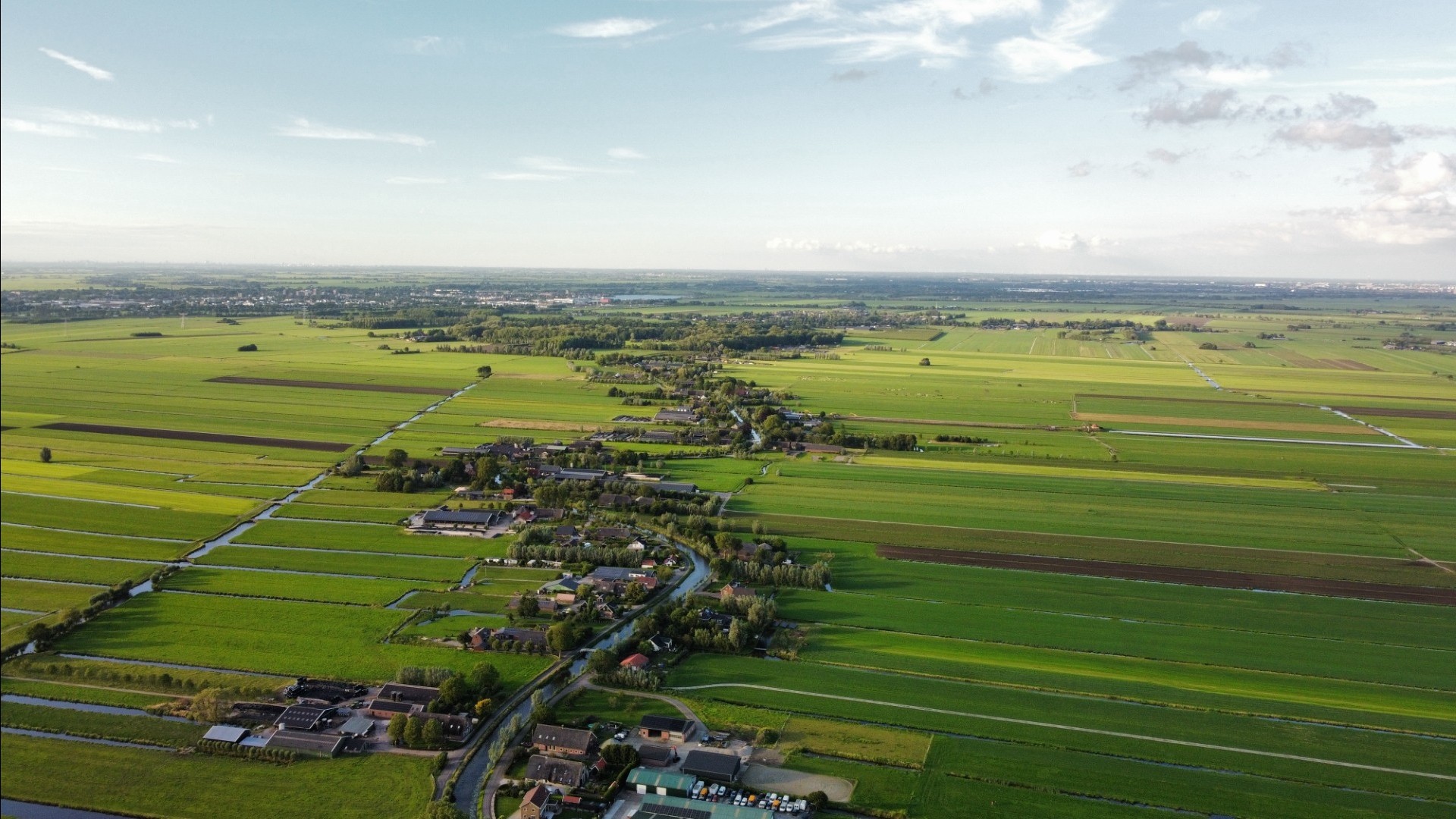
We also must use our voices as farmers to lead the conversations that surround sustainability in food production. I recently helped draft and then signed the Global Farmer Network’s declaration on regenerative agriculture, because I believe that we, as farmers, should lead, take and maintain the initiative.
Everyone wants to define “regenerative agriculture,” from public officials and regulators in government to private companies and activist organizations. Some mean well. Others seek to control farmers. Whatever their motives, they all take a stand on how farmers should run their farms. This is especially true in my country, where farmers have been challenged by a lot of meddling into their farming decisions.
Farmers must have a stronger voice in these deliberations. We’ve farmed for our whole lives, in a tradition that stretches back centuries. We don’t need people telling us what regenerative agriculture is. We can tell them.
Yet we can’t wait to be invited into conversations about agriculture. We must seize the initiative and maintain it. When we speak up, we can make a difference.
The most important thing we can do is tell our stories, demonstrate what we’ve been doing for a long time, why we’re doing it, and why we consider it important - describing how we’re keeping our farms healthy and strong. This builds trust and makes sure we are a part of every debate and discussion.
The soil is the foundation of our farm. It must flourish for crops to grow into the best food for our cows.
Our pastures consist of herb-rich grassland, which means that they contain not only grass, but also herbs like chicory, legumes, and clovers. This combination ensures good rooting, which benefits the soil and the life within it. It improves water retention and reduces fertilizer leaching. It also retains carbon and fixes nitrogen in the ground, which aids biological processes.
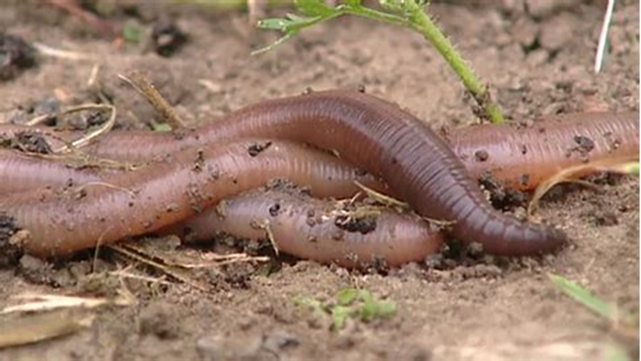
We constantly check how we’re doing. A simple way is to count the number and variety of earthworms that dig tunnels and the root system. When they’re doing well beneath our feet, we know that we’re doing well on our farm.
Our cows graze in herb-rich pastures, in a method called “holistic” grazing. This means the cows have access to a fresh patch of pasture every day. Moving them around gives the pasture a chance to regrow and maintain the balance between grass and herbs. This grazing method also means the cows are in better condition, produce more milk, and suffer less illness.
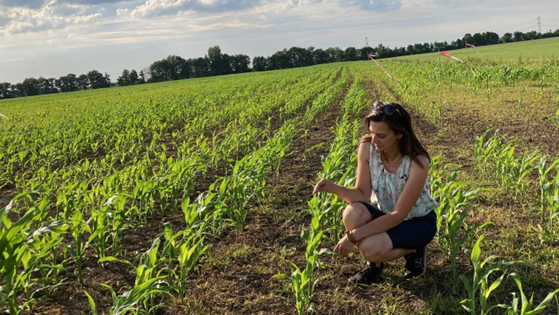
In our fields of corn, which we use for animal feed, we use cover crops to conserve water and prevent runoff. We also use these cover crops as a green manure, an alternative to animal manure, cultivating them for the purpose of working it back into the soil, as a natural fertilizer.
We hardly have any weeds, but when they show up, we control them with safe herbicides applied with a laser-guided spot sprayer. This precision technique allows us to use only what we need and nothing more.
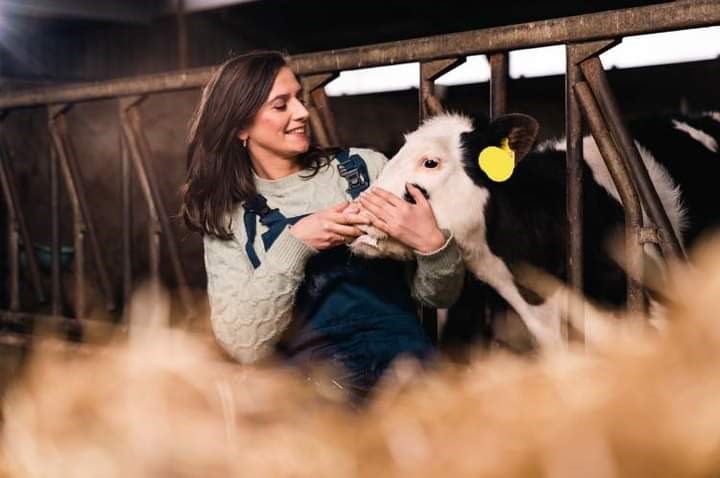
All these decisions support healthy soil and healthy cows—and healthy cows means healthy people.
Regenerative agriculture can raise some costs—herb-rich grassland is more expensive than ordinary grassland, for example—but we also save on fertilizer, crop protection, and veterinary bills.
As much as I care about my farm’s bottom line, money never has been the driving force of my life. It never will be.
Instead, I’m inspired by the regenerative farmers who have preceded me on this land—and the generations who will follow.